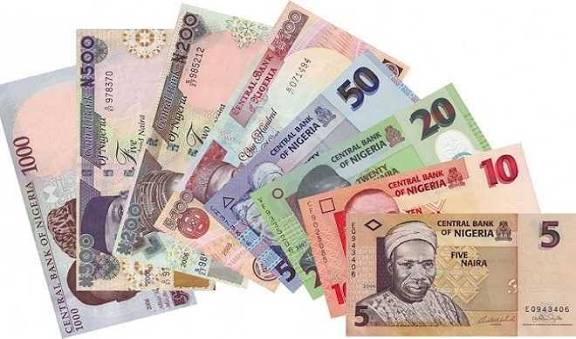
...Move could boost economy – CPPE
By Seun Ibiyemi
The Central Bank of Nigeria (CBN) has cut its benchmark interest rate by 350 basis points, reducing the Monetary Policy Rate (MPR) from 26.5 per cent to 23 per cent, as the apex bank announced that the country’s foreign reserves had risen to $55 billion.
The decision was announced on Tuesday by CBN Governor, Olayemi Cardoso, following the 307th meeting of the Monetary Policy Committee (MPC).
Cardoso said the committee resolved to “reset the monetary policy rate to 23 per cent,” representing a significant reduction in the benchmark rate.
The apex bank also adjusted the asymmetric corridor around the MPR from +50/-450 basis points to +50/-300 basis points.
According to the CBN Governor, the country’s foreign exchange reserves have also increased to $55 billion, strengthening Nigeria’s external position amid the latest shift in monetary policy.
The rate reduction comes against the backdrop of improving domestic macroeconomic conditions, particularly the recent moderation in inflation.
Nigeria’s inflation rate declined marginally to 15.39 per cent in August 2026 from 15.43 per cent in July, extending the recent downward trend.
The easing inflation trajectory provided the backdrop for the MPC’s decision to recalibrate monetary policy after an extended period of tight monetary conditions.
CPPE welcomes rate cut, says move could boost economy
The decision has received commendation from the Centre for the Promotion of Private Enterprise (CPPE), which described the monetary policy adjustment as timely and a significant turning point in the policy cycle.
Reacting to the decision, the CPPE Chief Executive Officer, Dr Muda Yusuf, said the reduction was largely unexpected and represented a shift away from the prolonged restrictive monetary policy regime.
READ ALSO : CBN rate cut may ease FG’s debt-service burden – CPPE
He said the adjustment could support economic growth, investment and recovery while helping to maintain price and financial system stability.
The CPPE also welcomed the adjustment of the asymmetric corridor around the MPR from +50/-450 basis points to +50/-300 basis points.
Yusuf said the decision was timely given the improving inflation trend and the growing cost of maintaining an excessively restrictive monetary environment.
He noted that the previous 26.5 per cent MPR had become increasingly misaligned with inflation of about 15.4 per cent and prevailing money-market rates of around 20 per cent.
According to him, reducing the MPR to 23 per cent would help realign the policy rate with prevailing macroeconomic and financial-market conditions.
The private-sector group said the decision could provide relief for businesses that have been struggling with high financing costs.
It said expensive credit had constrained investment, production, working capital and job creation, particularly in manufacturing, agriculture, construction and logistics.
The CPPE urged commercial banks to reflect the new monetary policy environment in their lending rates.
“Lending rates on both new and existing facilities should progressively adjust downwards,” the organisation said.
It warned that without effective transmission to borrowers, the impact of the rate cut on investment and economic growth would remain limited.
The CPPE also said the reduction could have positive implications for public finances by lowering the cost of domestic borrowing.
It noted that high interest rates had contributed to the Federal Government’s domestic debt-service burden, while government securities had been competing with elevated market yields.
According to the organisation, sustained moderation in interest rates could eventually reduce domestic debt-service costs and create additional fiscal space for infrastructure, security, education and healthcare.
The CPPE, however, cautioned that the rate cut was not without risks.
It said the difference between Nigeria’s monetary policy direction and tightening by some major central banks could affect interest-rate differentials and the attractiveness of naira-denominated assets.
This, it said, could create risks of portfolio outflows and renewed pressure on the foreign exchange market.
The organisation nevertheless noted that improved foreign reserves, greater stability in the FX market and stronger external-sector buffers had given the CBN more policy headroom.
It urged the apex bank to remain vigilant and deploy appropriate instruments, including open-market operations, to manage excessive volatility.
The CPPE stressed that lower interest rates alone would not guarantee sustainable economic recovery.
It called for complementary fiscal and structural reforms to address energy costs, logistics bottlenecks, insecurity, food-production constraints, infrastructure deficits and regulatory costs.
Yusuf said the success of the monetary policy adjustment should ultimately be reflected in lower commercial lending rates, increased private investment and productive-sector credit, stable inflation and a stable foreign exchange market.