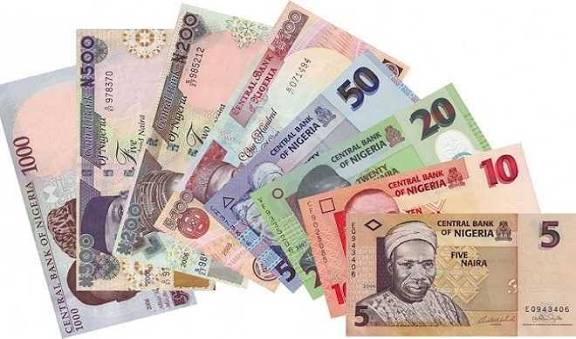
Nigeria’s cash liquidity cycle showed signs of normalisation in February 2026, with currency held outside the banking system declining slightly, according to the Central Bank of Nigeria.
Data from the apex bank’s latest Money and Credit Statistics report revealed that currency outside banks fell by 0.058 per cent to N5.20 trillion, down from higher levels recorded during the festive period.
The development reflects a gradual return of excess cash into the formal financial system following heightened withdrawals at the end of 2025.
The report also showed that total money supply declined to N123.14 trillion in February, compared to N123.35 trillion in January, indicating a moderation in overall liquidity.
Meanwhile, currency in circulation remained largely stable at N5.73 trillion, suggesting steady system-wide liquidity conditions despite the decline in cash held outside banks.
According to the CBN, the drop in out-of-bank cash follows months of increased withdrawals driven by festive spending, with the figure peaking at N5.41 trillion in December 2025.
The February decline points to households and businesses redepositing surplus cash as economic activity stabilises after the holiday season.
Read also:Oil output drops to 1.51mbpd as NNPC remits N1.8trn to federation account
Historical data also highlights a consistent seasonal pattern, with cash demand typically rising in the final quarter of the year before easing in the early months of the new year.
Despite the moderation, physical cash continues to play a significant role in Nigeria’s economy, particularly within the informal sector, even as digital payment channels gain traction.
The data underscores the enduring reliance on cash transactions while reflecting gradual improvements in liquidity management within the financial system.