
By Seun Ibiyemi
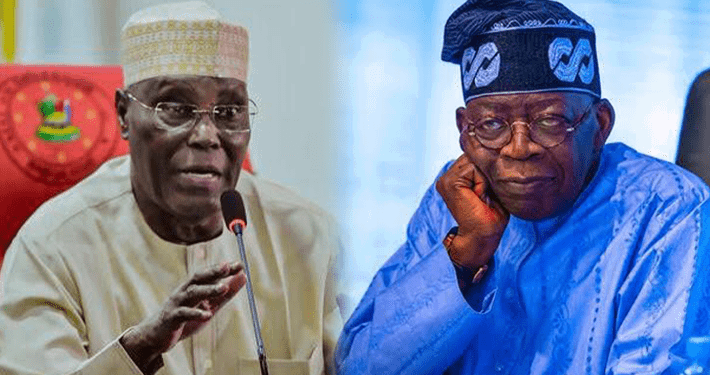
Former Vice President and ADC presidential candidate, Atiku Abubakar, has criticised the rise in petrol pump prices to ₦1,470 per litre, warning that the increase will further deepen the cost-of-living crisis facing Nigerians.
Atiku, in a statement by his spokesperson, Phrank Shaibu, said higher petrol prices were having a direct impact on household finances through rising transportation, food, education, farming and manufacturing costs.
He questioned the rationale behind the removal of petrol subsidies, arguing that Nigerians should be able to see how the savings from subsidy removal were being used to cushion the effects of rising living costs.
“Petrol at N1,470 per litre is not merely a figure at the filling station. It enters the price of transportation, food, school runs, farming, manufacturing and virtually everything Nigerians buy,” Atiku said.
He added that Nigerians had the right to demand an explanation on the use of funds saved from the removal of the subsidy.
Atiku also compared the current petrol price with the situation in 2008, when crude oil prices reached about $147 per barrel under the administration of former President Umaru Musa Yar’Adua.
According to him, petrol sold at ₦65 per litre at the time, compared with the current price of ₦1,470 per litre when crude oil is around $102.52 per barrel.
“With crude oil around $102.52 per barrel, Nigerians are paying as much as N1,470 per litre. In 2008, when crude oil reached about $147 per barrel, petrol sold at N65 per litre,” he said.
Atiku argued that the comparison raised questions about the extent to which government economic policies were protecting citizens from the impact of higher energy costs.
READ ALSO: SEC warns investors against fraudsters as Dangote Refinery ₦2.15trn IPO opens
The former Vice President said the increase in petrol prices was not limited to motorists, as higher fuel costs typically feed into transportation, logistics, food distribution, agriculture and industrial production.
He maintained that the removal of subsidies should have been accompanied by measures capable of reducing the economic burden on households and businesses.
Atiku’s comments come amid renewed concerns over the effect of higher petrol prices on purchasing power and the cost of doing business across the country.

