By Sodiq Adelakun
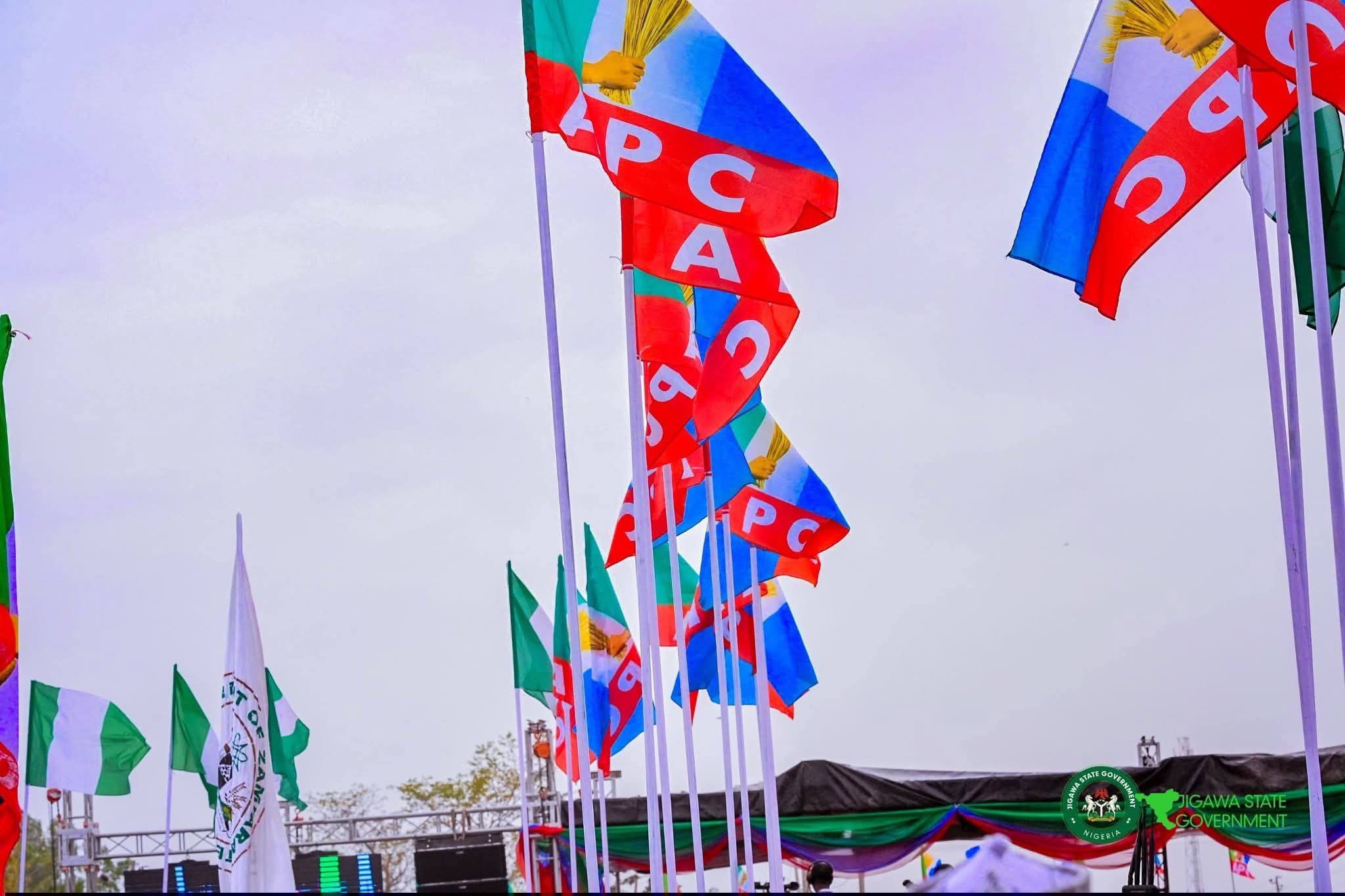
The senatorial primaries of the ruling All Progressives Congress (APC) have exposed deep divisions within the party ahead of the 2027 general elections, with allegations of manipulation, imposed consensus candidates, protests and threats of rebellion trailing the exercise across several states.
What began as an internal process to select candidates for the next election cycle quickly descended into controversy in states including Kogi, Delta, Ogun, Rivers, Kwara and Edo, as aggrieved aspirants rejected results and accused party leaders of undermining internal democracy.
The primaries also highlighted the growing influence of governors and entrenched political blocs within the party, amid concerns that elite agreements are increasingly replacing competitive contests.
In Kogi State, tensions escalated after Senator Jibrin Isah, popularly known as Echocho, rejected the outcome of the Kogi East senatorial primary, insisting that no genuine election took place in several wards.
In a strongly worded reaction, the senator accused party officials of arriving with pre-prepared results allegedly produced at the Government House.
“That result is a nullity,” he declared, while threatening to challenge Governor Ahmed Usman Ododo politically in the 2027 governorship election if the outcome was upheld.
The controversy reinforced perceptions of widening cracks within the Kogi APC, especially among politicians who believe former governor Yahaya Bello still maintains strong influence over the state’s political structure.
Ironically, Bello emerged as one of the biggest winners of the exercise after securing the APC senatorial ticket for Kogi Central in a landslide victory, further cementing his dominance in the state’s politics.
Elsewhere in Kogi, another aspirant, Ustaz Abubakar Ola, alleged that thugs disrupted voting and intimidated supporters during the Kogi West primary.
In Imo State, Governor Hope Uzodimma defeated former governor Rochas Okorocha in the Imo West senatorial contest, signalling a further decline in Okorocha’s political influence within the state.
Delta State also witnessed dramatic political realignments as former governor Ifeanyi Okowa defeated Senator Ned Nwoko in Delta North, while Senator Ede Dafinone defeated former Deputy Senate President Ovie Omo-Agege in Delta Central.
However, Omo-Agege rejected the result, insisting he won the contest based on support across the district’s wards.
Confusion also erupted in Edo South after rival factions announced separate winners for the same primary election, raising fears of prolonged legal battles and parallel party structures.
Another major controversy followed the disqualification of 44 aspirants by the APC screening committee. Those affected reportedly included serving senators, former lawmakers and influential politicians from Rivers, Oyo, Bayelsa, Plateau and Cross River states.
The situation became more contentious after conflicting versions of the disqualification list emerged, fuelling accusations that the process was manipulated to sideline certain aspirants.
In Rivers State, Senator Ipalibo Banigo protested her exclusion from the primaries, describing it as unfair and discriminatory against women.
Her appeal to President Bola Ahmed Tinubu reflected growing frustration among party members who feel marginalised by state-level party structures.
Meanwhile, some states adopted consensus arrangements to avoid open confrontations. In Borno State, incumbent senators, including Ali Ndume, emerged through consensus after consultations among party leaders.
Similar arrangements reportedly took place in Yobe, Kebbi, Lagos and parts of Ebonyi State.
In Kwara State, however, confusion trailed what appeared to be a consensus endorsement of Governor AbdulRahman AbdulRazaq for the Kwara Central senatorial ticket after reports surfaced that Senator Saliu Mustapha had also been cleared to contest.
Ogun State also reflected tensions between old and emerging political blocs, as former governors Gbenga Daniel and Ibikunle Amosun stayed away from the primaries amid complaints over alleged exclusion from consultations.
Political observers say the APC now faces the difficult task of managing growing resentment among displaced aspirants and influential stakeholders, many of whom command strong grassroots support.
Analysts warn that unresolved grievances arising from the primaries could trigger defections, anti-party activities and legal disputes capable of weakening the ruling party ahead of the 2027 elections.
Despite the controversies, the APC leadership is believed to be prioritising party unity and consolidating support around President Tinubu’s anticipated re-election bid, even as dissatisfaction continues to spread across its ranks.