
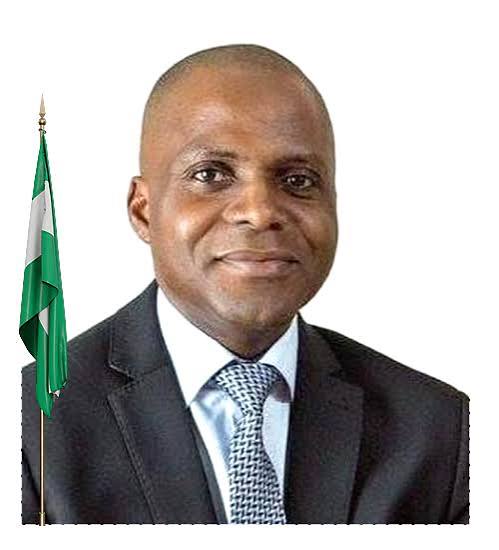
…Says fixing nation is greatest legacy for future generations
By Seun Ibiyemi
Public affairs analyst Nick Agule has called on Nigerians to become more actively involved in the political process, warning that wealth, foreign education and opportunities abroad may not be enough to shield future generations from the consequences of a failing nation.
In an article titled “Fixing Nigeria: The Greatest Inheritance for Our Children,” Agule argued that strong institutions, rather than natural resources, are the foundation of sustainable national development. He stressed that such institutions can only emerge through patriotic leadership and active citizen participation.
According to him, many Nigerians have adopted a passive attitude toward politics, often dismissing it as dirty or dangerous, despite its direct impact on their daily lives and future prospects.
“Politics decides our fate,” Agule said, noting that civic engagement goes beyond contesting elections and includes voting, joining political parties, sponsoring competent candidates and holding leaders accountable.
Drawing from a recent conversation with a wealthy Nigerian businessman, Agule questioned the notion that financial success alone guarantees a secure future for one’s children.
He argued that while many affluent Nigerians invest heavily in education and foreign residency opportunities for their families, they often neglect the responsibility of helping to build a functional and secure nation.
He warned that insecurity remains a major threat, stating that no amount of wealth can fully protect citizens if criminals and terrorists continue to operate with impunity.
Agule also challenged the widespread belief that emigration offers a permanent solution to Nigeria’s problems, pointing out that political and economic realities can change rapidly in foreign countries.
He further rejected the notion that Nigeria’s large population is a burden, insisting that the country’s real challenge is low productivity driven by inadequate infrastructure, particularly electricity supply.
He argued that reliable power generation on a significantly larger scale would unlock industrial growth, create jobs and position Nigeria for rapid economic expansion.
“Population is not the problem; productivity is,” he stated, adding that millions of young Nigerians remain vulnerable to crime and insecurity because of unemployment, poor education and a lack of economic opportunities.
With another political cycle approaching, Agule urged citizens to abandon political apathy and participate actively in shaping the country’s future.
He likened Nigeria’s challenges to a home infested with snakes, arguing that responsible adults confront such dangers rather than abandon them for future generations to handle.
According to him, building a safe, prosperous and functional Nigeria remains the greatest inheritance today’s generation can leave for its children.
He concluded that neglecting nation-building while focusing solely on personal wealth and educational achievements amounts to being “penny wise and pound foolish,” as no level of individual success can fully insulate future generations from the consequences of poor governance and weak institutions.

