By Seun Ibiyemi
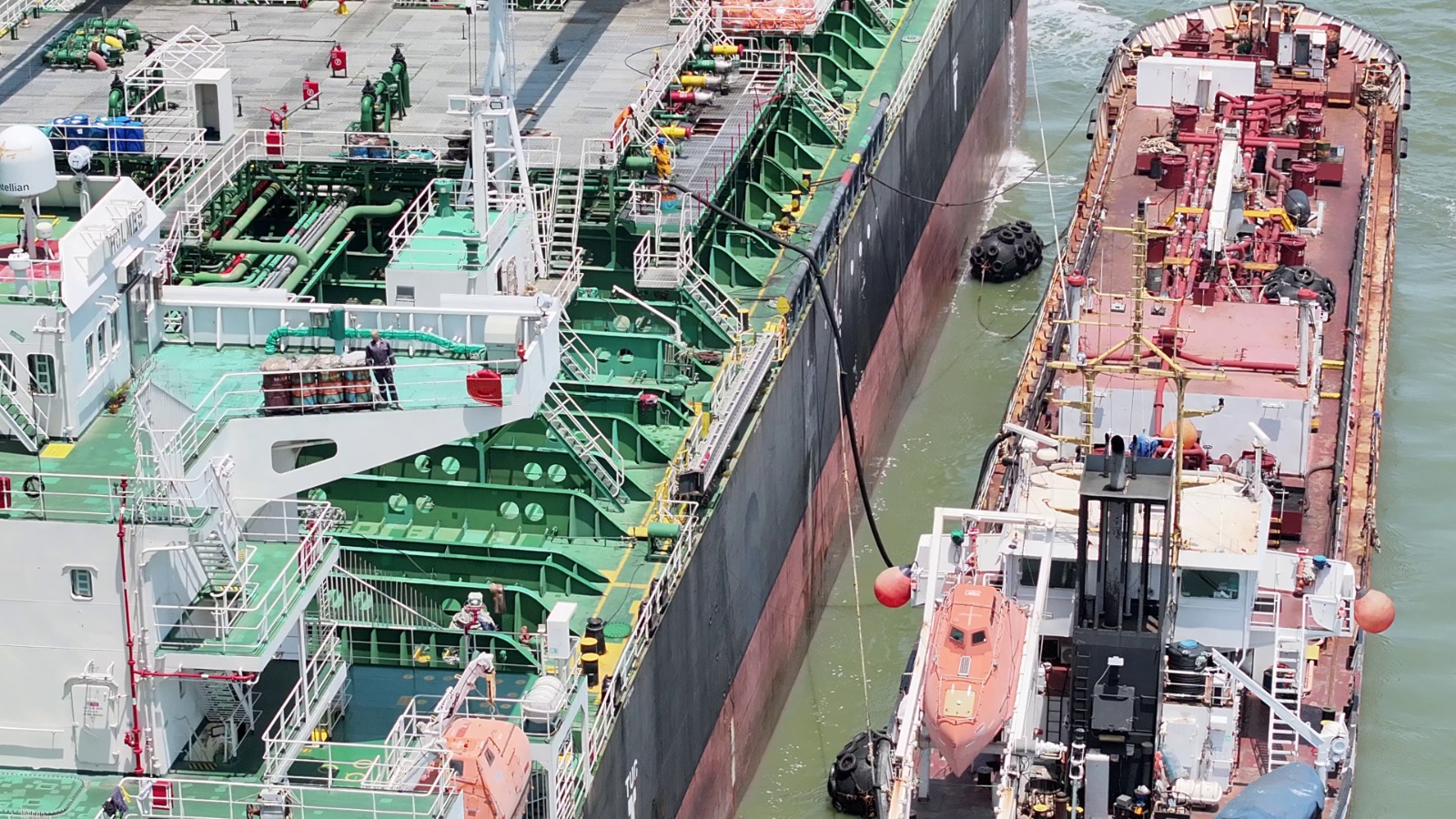
The Nigerian Maritime Administration and Safety Agency (NIMASA) has confirmed the detention of two vessels, MT Holmes and MT Sabeak, over non-compliance with maritime regulations, clarifying that three other vessels earlier listed were not detained.**
The agency said MT Fujairah Energy, JS Gratitude and MT Bora were in full compliance with the Cabotage Act and other applicable regulations and were therefore not subjected to detention during the enforcement operation.
The clarification followed an earlier statement that had incorrectly identified the three vessels among those detained under Operation Sea Guardian, a targeted enforcement initiative aimed at strengthening compliance with Nigeria’s maritime laws.
In a statement issued by its Deputy Director and Head of Public Relations, Osagie Edward, NIMASA said the correction was released in the interest of transparency, while regretting the inconvenience caused to the affected vessels and their owners by the error.
The agency reaffirmed its commitment to enforcing maritime regulations and ensuring that vessels operating in Nigerian waters comply with applicable legal and operational requirements.
READ ALSO:Chinese Navy hospital ship to visit Lagos, boost Nigeria-China health cooperation
According to NIMASA, Operation Sea Guardian was conducted as a follow-up enforcement initiative to strengthen regulatory compliance across the maritime sector.
The operation focused on verifying compliance with cabotage obligations, assessing the payment of applicable surcharges and levies, and ensuring adherence to other relevant maritime regulations.
The Cabotage Act provides the legal framework governing coastal and inland commercial shipping activities in Nigeria, including requirements applicable to vessels operating in domestic maritime trade.
NIMASA said the enforcement exercise was designed to identify and address compliance failures through intelligence-led monitoring, vessel inspections and coordinated regulatory action.
The agency did not provide further details on the specific violations recorded by MT Holmes and MT Sabeak in the statement.
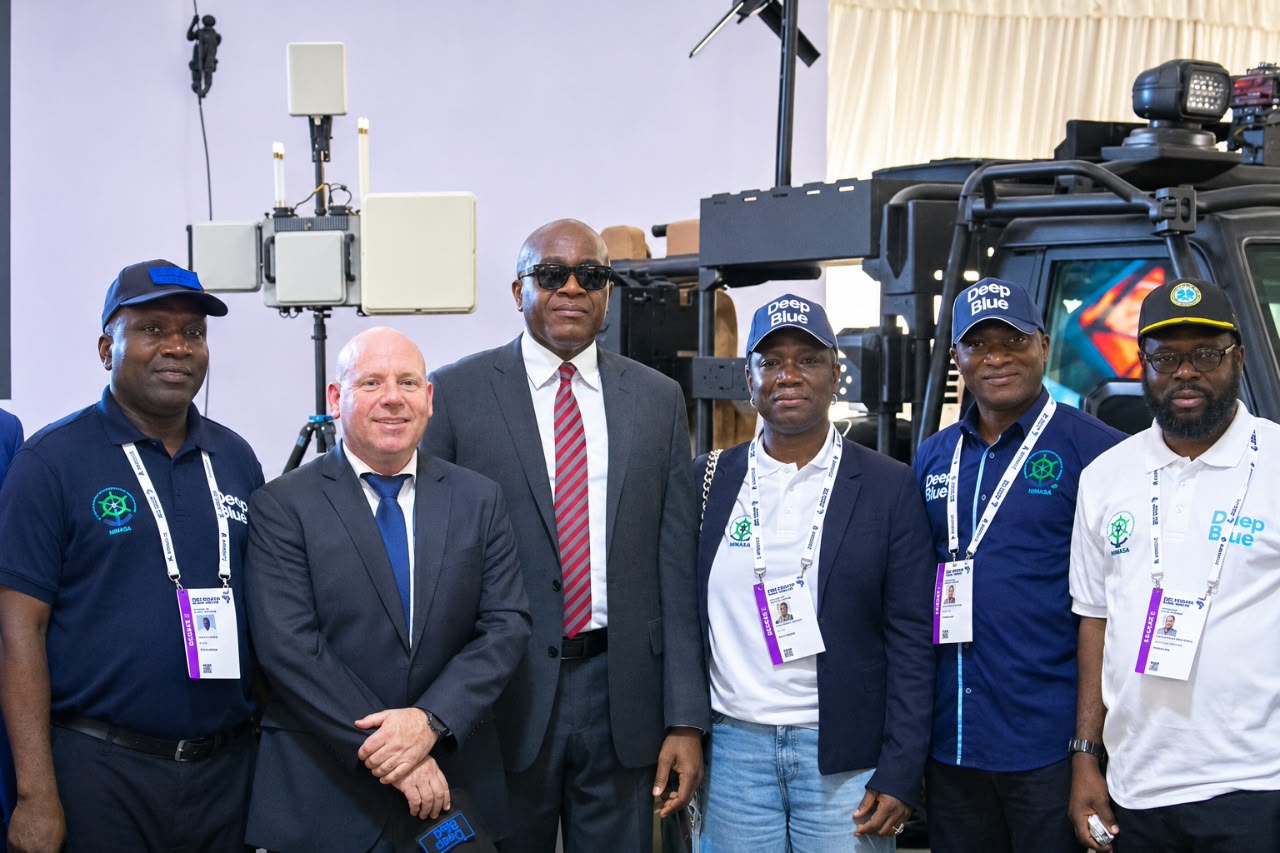
NIMASA disclosed that the operation deployed assets under the Deep Blue project to track, board, inspect and verify the operational status of vessels identified through intelligence reports and compliance indicators.
The exercise involved collaboration among NIMASA enforcement personnel, the Nigerian Navy, the Maritime Guard Command and C4i intelligence personnel.
The inter-agency approach was intended to strengthen maritime surveillance, improve the verification of vessel activities and support enforcement of Nigeria’s maritime regulations.
The use of intelligence-led monitoring and coordinated inspections also forms part of broader efforts to improve regulatory oversight and accountability in the country’s maritime domain.
NIMASA said its clarification was intended to ensure that accurate information was available to maritime stakeholders following the initial mix-up over the vessels involved in the operation.
By confirming that only MT Holmes and MT Sabeak were detained, the agency sought to distinguish vessels found to be non-compliant from those that met the applicable regulatory requirements.
The development underscores the importance of accurate public communication in maritime enforcement, where incorrect identification of vessels can cause operational and reputational concerns for shipowners and operators.
NIMASA reiterated its commitment to enforcing the Cabotage Act and other relevant regulations through coordinated operations and compliance monitoring.
The agency said Operation Sea Guardian was part of its continuing efforts to strengthen regulatory compliance and ensure that vessels operating in Nigerian waters meet the country’s maritime requirements.