By Afolabi wale
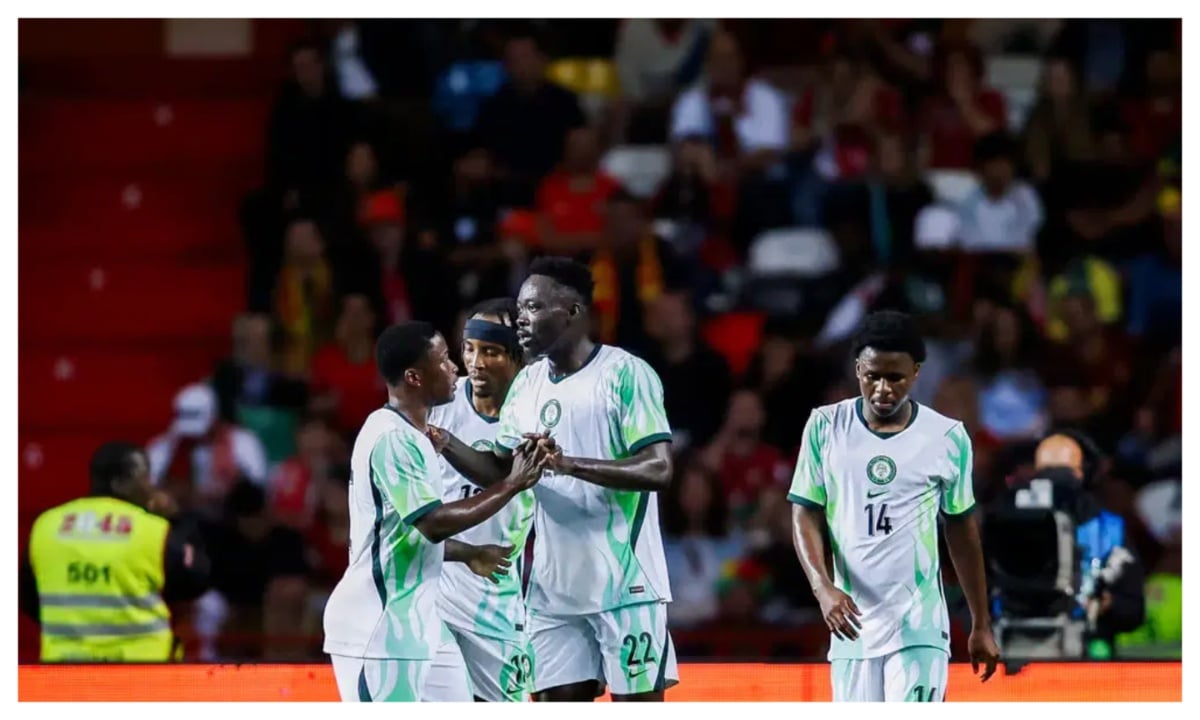
President Bola Ahmed Tinubu has directed a comprehensive reform of Nigerian football following a series of failures by the country’s national teams to qualify for major regional, continental and global competitions.
The directive was issued on Thursday, shortly after the President of the Nigeria Football Federation (NFF), Ibrahim Musa Gusau, its General Secretary, Mohammed Sanusi, and members of the federation’s Executive Committee resigned amid growing concerns over the state of the country’s football.
The NFF confirmed the resignations in a statement, saying Gusau’s decision was aimed at creating room for what it described as a “comprehensive and orderly reform process” to tackle longstanding institutional, governance and developmental challenges in Nigerian football.
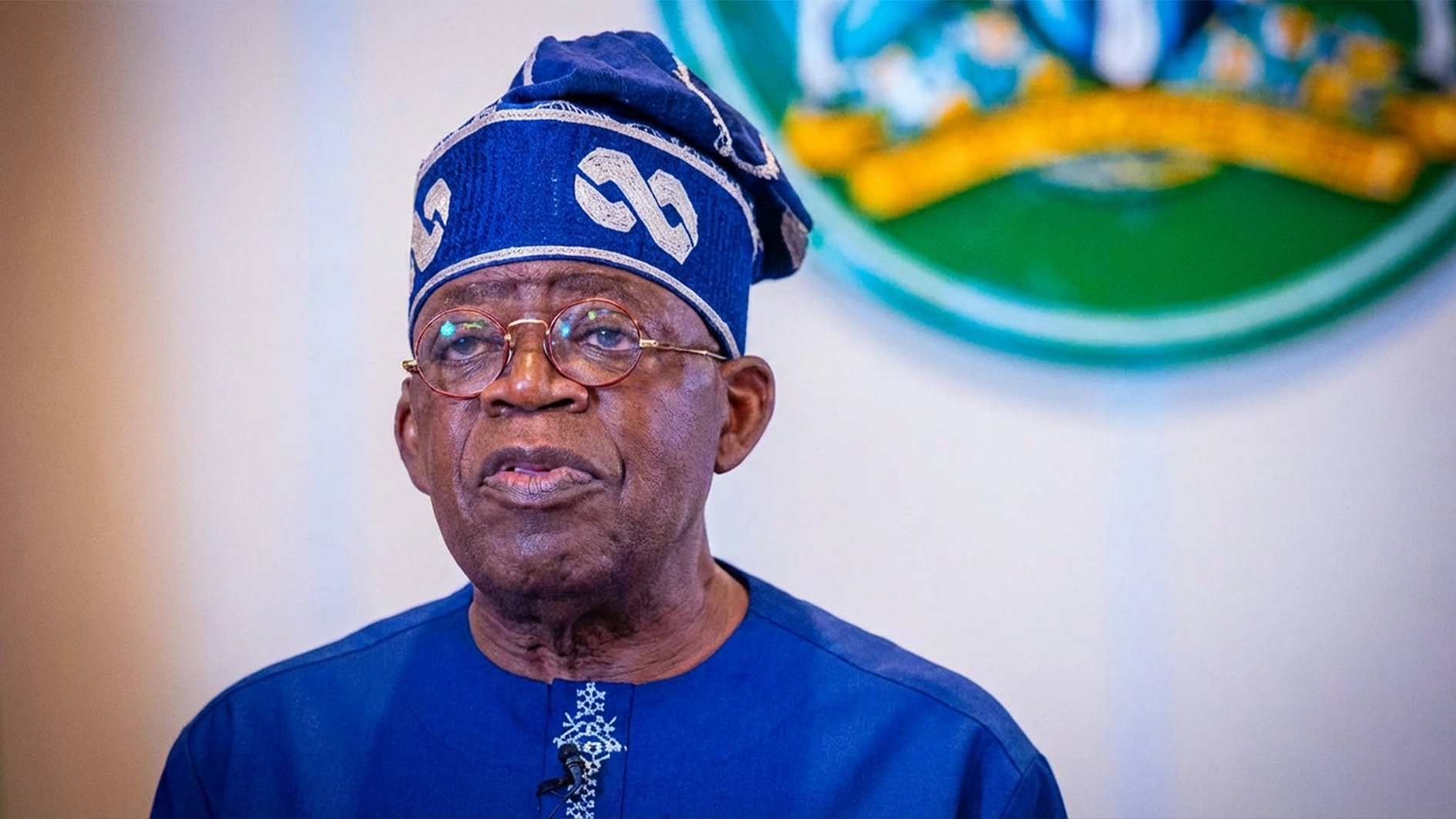
Announcing the presidential directive, the Special Adviser to the President on Information and Strategy, Bayo Onanuga, said Tinubu ordered the reform to address Nigeria’s repeated inability to qualify for major competitions.
The President attributed the decline in the country’s football fortunes to structural weaknesses within the system, noting that other sports had recorded progress following the restructuring of the sports sector under the re-established National Sports Commission (NSC).
Tinubu said the proposed reform must cover critical areas including governance, administration, stakeholder representation, player development pathways, domestic competitions and accountability.
“The reform must respond to a longstanding need to strengthen governance, administration, stakeholder representation, development pathways, domestic competitions and accountability across Nigerian football,” the President said.
READ ALSO:Ekiti PDP disowns Makinde 2027 mobilisation report, denies alliance with APM
He described football as Nigeria’s most popular sport and the biggest beneficiary of public support, investment and national attention, but said the game had continued to struggle because of weaknesses embedded in its structure.
“Football, Nigeria’s most popular sport and the greatest beneficiary of public support, investment and national attention, has continued to struggle basically due to structural deficits within the system,” Tinubu added.
The development comes as pressure mounts for fundamental changes in the administration and development of football in Nigeria, with the government expected to focus on strengthening the institutions responsible for the sport and improving the pathway from grassroots development to the national teams.
The NFF leadership changes and presidential directive are expected to set the stage for a broader restructuring of Nigerian football.