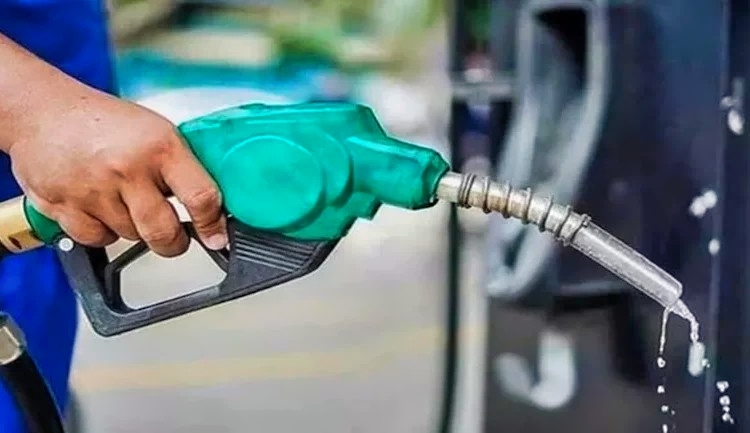
The Independent Petroleum Marketers Association of Nigeria (IPMAN) has expressed concern over the recent increase in petroleum product import licences, warning that the development could heighten price volatility, put additional pressure on the naira and drive up the cost of petrol across the country.
IPMAN’s National Publicity Secretary, Chinedu Ukadike, said on Sunday that the association was worried that imported petrol was entering the Nigerian market at prices significantly higher than locally refined products, thereby undermining efforts to stabilise the downstream petroleum sector.
His remarks come amid fresh increases in petrol pump prices by some marketers following the recent rise in global crude oil prices and upward adjustments in depot prices by Dangote Refinery and other suppliers.
Checks showed that some filling stations have already adjusted their pump prices upward. AYM Sharfa, which previously sold petrol at N1,191 per litre, increased its price to N1,220 per litre over the weekend.
According to Ukadike, independent marketers have reviewed recent developments in the downstream sector, including the expansion of import licences, fuel price fluctuations and the growing dependence on foreign exchange for petroleum transactions.
He urged the Federal Government, through the Nigerian Midstream and Downstream Petroleum Regulatory Authority (NMDPRA), to urgently intervene to address the issues threatening pricing stability and fuel supply.
Ukadike noted that the approval of additional import licences, which was expected to encourage competition and moderate domestic refinery prices, had instead created uncertainty in the market.
He disclosed that some firms granted import permits were selling petrol at around N1,350 per litre, considerably above the prices offered by Dangote Refinery.
“What is the essence of issuing this price? This will create a lot of tension in society,” he said, warning that persistent price fluctuations were making it difficult for marketers to plan effectively.
The IPMAN spokesman argued that the landing cost of imported petrol is about 20 per cent higher than the cost of locally refined products, adding that increased reliance on imports was placing fresh pressure on Nigeria’s foreign exchange reserves.
He linked the demand for foreign currency to the depreciation of the naira, noting that exchange-rate instability continues to influence petrol prices nationwide.
Ukadike called on the government to engage key stakeholders in the downstream sector and address the challenges affecting domestic refining capacity in order to sustain the sale of petroleum products in naira.
According to him, one of the most significant gains from increased local refining has been the elimination of the persistent fuel scarcity that characterised Nigeria’s previous dependence on imports.
READ ALSO:IPMAN raises alarm as rising petrol prices cut marketers’ profits
“If we are having continuous and uninterrupted supply, our problem is pricing. Is it not better we sit down and see how this issue can be controlled, than signing unnecessary import licences that will further inflate the price of petroleum products in our country?” he asked.
He stressed the need for stronger government support for both public and private refineries, arguing that Nigeria must prioritise domestic refining to achieve energy security and reduce economic pressure on citizens.
“Nigerians are suffering. This is a time to call for national unity, a time to call for support for our industrialists and our refiners,” Ukadike said.
He added that expanding domestic refining capacity would not only guarantee energy security but also position Nigeria to become a net exporter of refined petroleum products, thereby generating additional foreign exchange earnings.
Reflecting on the country’s previous reliance on imported fuel, Ukadike recalled that Nigeria experienced prolonged fuel shortages during that period, stressing that strengthening local refining remains critical to ensuring stable supply and moderating prices.