By Seun Ibiyemi
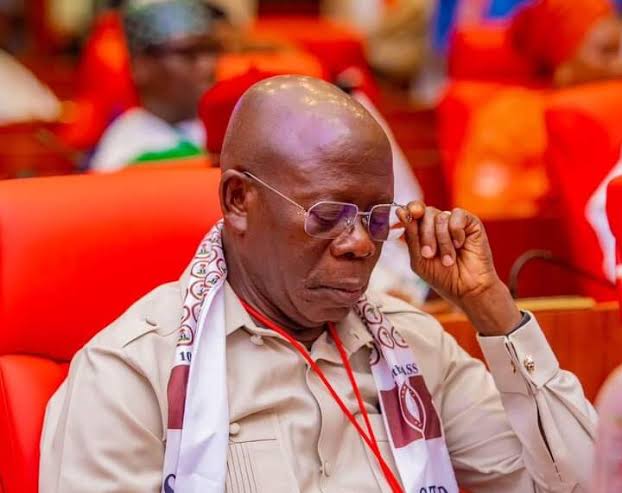
Senator representing Edo North, Adams Oshiomhole, has criticised the Nigerian National Petroleum Company Limited (NNPCL) over the absence of its top officials at a committee hearing of the National Assembly, insisting that the state-owned oil company is not above the country’s democratic institutions.
Speaking during the hearing, Oshiomhole said President Bola Tinubu does not delegate the presentation of the national budget to subordinates despite relying on experts and financial advisers in preparing the document.
The former Edo State governor argued that the NNPCL appeared to regard itself as being bigger than the government system and had failed to recognise its status as an agency accountable to elected representatives.
“Even the President of Nigeria, Bola Tinubu, does not delegate his finance officer to present the annual budget, which is prepared by financial gurus, because we have three independent arms of government,” Oshiomhole said.
READ ALSO:Oshiomhole urges FG to seize South African firms’ profits to compensate Xenophobia victims
He noted that President Tinubu personally addresses members of the National Assembly during budget presentations and questioned why officials of the national oil company failed to appear before lawmakers.
“So, if Tinubu will leave the Villa to address the Senate President, senators and members of the House of Representatives, I have issues with why NNPCL thinks it is too big.
They are bedridden, they have medical certificates; may they not be bedridden for too long so that the country can move on,” he added.
The senator maintained that the NNPCL must not act as though it is superior to institutions established under Nigeria’s democratic system.
“I think the NNPCL is forgetting that it is an agency of government, while we are representatives of the people.
“You cannot behave as if you are above the representatives of the people. I refuse to believe that the NNPCL is bigger than the system,” he said.
Oshiomhole’s comments come amid growing scrutiny of the operations and accountability framework of the NNPCL, as lawmakers intensify oversight of government agencies and state-owned enterprises.