By Seun Ibiyemi
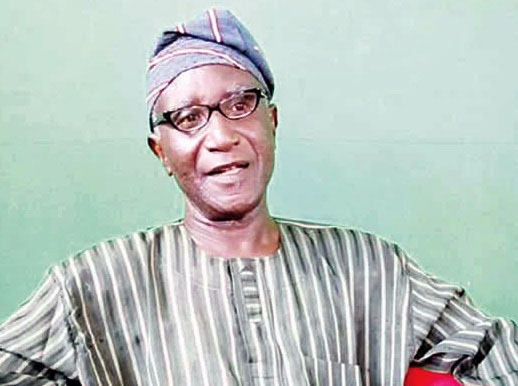
Aviation expert and Chief Executive Officer of Centurion Security and Safety Consults, Captain John Ojikutu, has called on the National Assembly to adopt a more rational approach in allocating aeronautical responsibilities and revenue-sharing within Nigeria’s aviation sector to avoid undermining the country’s standing in the international aviation community.
In a statement, Ojikutu stressed that aviation operations are fundamentally anchored on safety and security services, warning that any policy framework that weakens critical service providers could jeopardise the sector’s efficiency and global reputation.
According to him, aviation responsibilities are divided into core functions, including safety and security services regulation, oversight and enforcement, as well as non-aeronautical and commercial services.
He explained that while aeronautical service charges are regulated under international standards, revenues generated from non-aeronautical commercial activities are governed by economic regulations contained in the Nigerian Civil Aviation Regulations (Nig. CARs).
Ojikutu argued that the five per cent revenue allocation framework should be shared in a manner that adequately supports aeronautical service providers, given their extensive responsibilities across federal and state airports.
“The generated revenues from non-aeronautical charges are what the five per cent is meant for rational sharing among aeronautical service providers,” he said.
He noted that aeronautical agencies are spread across airports nationwide and provide more essential services than other operators within the industry, adding that these agencies also bear the burden of mandatory routine maintenance and calibration in line with international standards.
The aviation expert further emphasised that the sector’s workforce requires specialised training, licensing and periodic recertification, similar to the requirements imposed on aircraft pilots and engineers.
READ ALSO:Expert raises alarm over alleged N300bn revenue leakages in FAAN, NCAA, NAMA, demands urgent probe
“In addition to these responsibilities, the human capital requirements are enormous, as personnel must be licensed and recurrently certified just like pilots and aircraft engineers,” he stated.
Ojikutu urged professionals in the aviation industry to approach the debate objectively and avoid sentiments, accusing political office holders of failing to adequately consider the implications of the legislation passed in 2022.
He maintained that safety and security services remain the foundation of the aviation industry and warned that commercial operations cannot thrive in the absence of effective safety and security structures.
“Aviation is more about safety and security services than commercial services, which cannot survive without safety and security services,” he added.