By Seun Ibiyemi
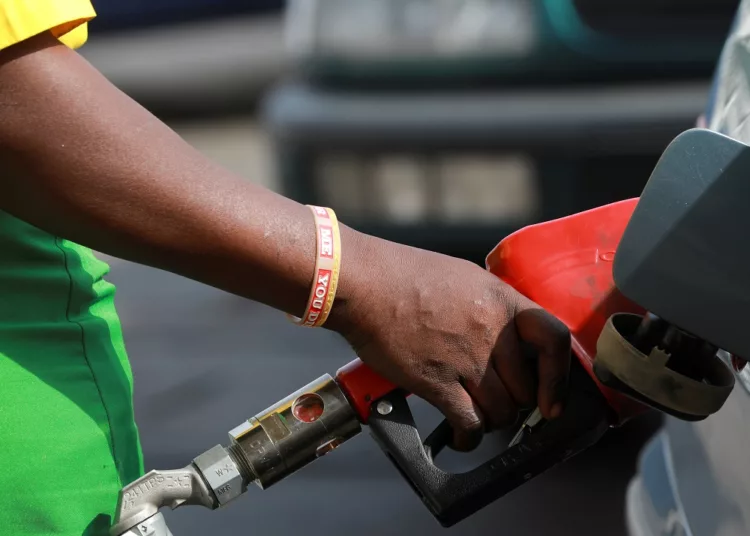
The Federal Government has intensified efforts to bring down the pump price of Premium Motor Spirit (PMS), commonly known as petrol, with independent petroleum marketers projecting that the product could sell for below ₦800 per litre if market conditions continue to improve.
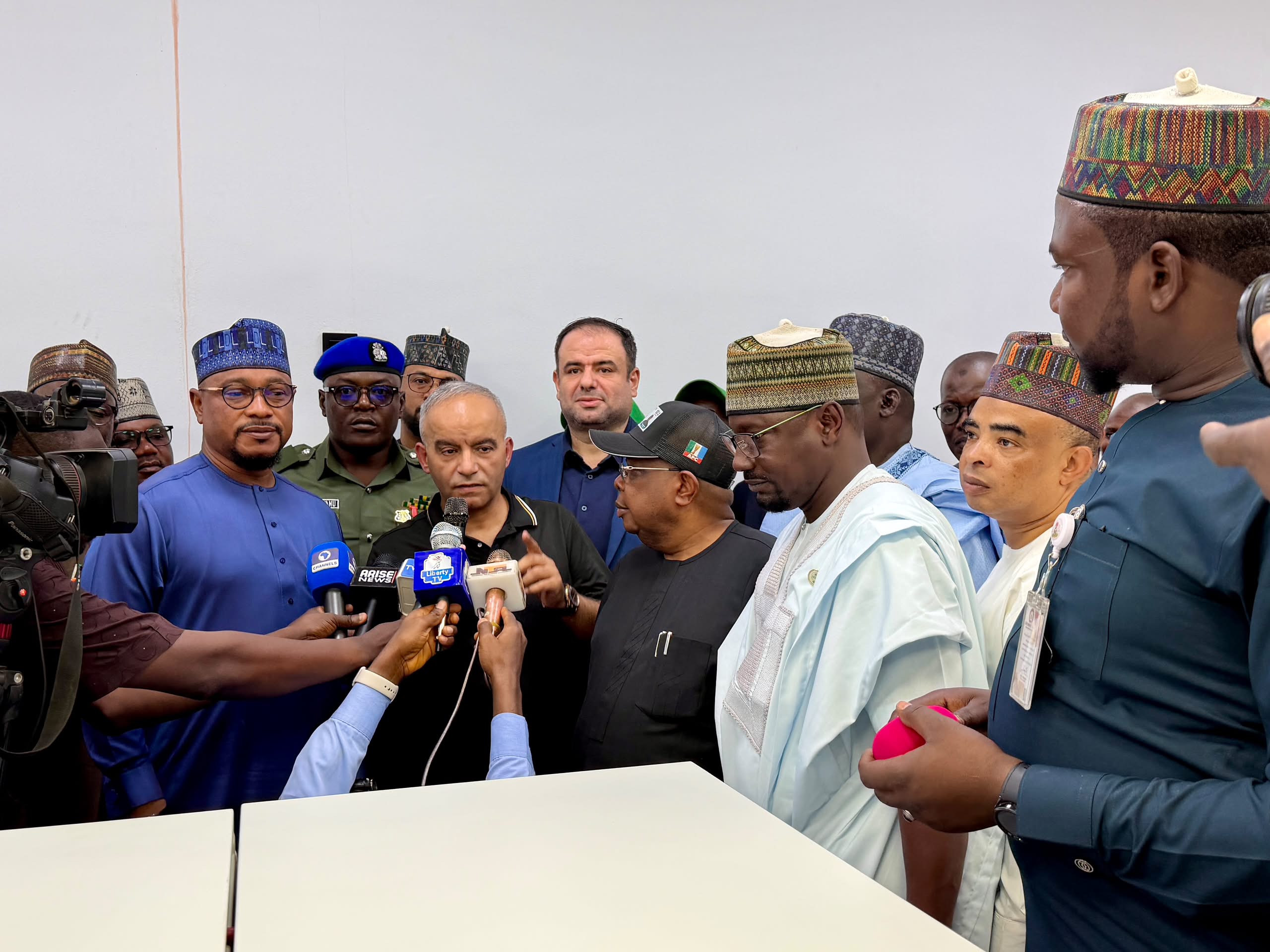
The renewed optimism emerged on Monday as the Federal Government convened a high-level stakeholders’ meeting with operators in the downstream petroleum sector, including representatives of the Dangote Petroleum Refinery, to address what it described as the disconnect between declining global crude oil prices and relatively high domestic petrol prices.
The meeting, held at the headquarters of the Nigerian Midstream and Downstream Petroleum Regulatory Authority (NMDPRA) in Abuja, brought together officials of the Federal Competition and Consumer Protection Commission (FCCPC), Independent Petroleum Marketers Association of Nigeria (IPMAN), Major Energy Marketers Association of Nigeria (MEMAN), Depot and Petroleum Products Retailers Association of Nigeria (DAPPMAN), Nigerian Association of Road Transport Owners (NARTO), TotalEnergies, Eterna Plc, Matrix Energy Group and other key players in the downstream sector.
Speaking after the meeting, the Minister of State for Petroleum Resources (Oil), Senator Heineken Lokpobiri, said the government was concerned that current petrol prices had not reflected the sharp moderation in international crude oil prices.
According to him, while crude oil prices rose above $118 per barrel during heightened geopolitical tensions in the Middle East, they have since declined to around $71 per barrel, yet retail petrol prices have not fallen proportionately.
“My own opinion is that the petrol prices are not cost-reflective; they are not reflective of the cost of crude oil,” Lokpobiri said.
He stressed that marketers should not continue to rely on profits from inventories purchased at higher prices as justification for maintaining elevated pump prices after replacement costs had fallen.
“As inventories are replenished at lower costs, the benefits of those lower costs should be transmitted to consumers in a timely and transparent manner. That is the essence of a competitive and efficiently functioning market,” the minister stated.
READ ALSO:IPMAN raises alarm as rising petrol prices cut marketers’ profits
Lokpobiri said the government had communicated consumers’ concerns to marketers and directed them to develop practical measures that would ensure lower petrol prices, adding that discussions on the issue were still ongoing.
The minister noted that petrol prices, which peaked at about ₦1,596 per litre in May, have dropped to around ₦1,296 per litre, but argued that the reduction remained insufficient considering the decline in crude oil prices.
He also urged the speedy operationalisation of the National Strategic Stock, describing it as a critical tool for strengthening energy security, reducing supply disruptions and moderating future price volatility.
Meanwhile, the National President of IPMAN, Abubakar Maigandi, called on the Federal Government to restore importation rights to independent marketers, arguing that increased competition would further reduce petrol prices.
He also advocated direct access for independent marketers to products from the Dangote Petroleum Refinery while encouraging continued support for domestic refining.
“Our major concern is that IPMAN should be allowed to buy products directly from the Dangote refinery and, where necessary, import products by ourselves. We are trying to encourage our local refinery while ensuring there is competition in the market,” he said.
Maigandi disclosed that independent marketers had already reduced petrol prices by about ₦125 per litre nationwide and expressed confidence that pump prices could fall below ₦800 per litre under favourable market conditions.
“At any time there is a reduction in price, we are ready to reduce the price to even below ₦800 per litre. It depends on how we buy products from private depot owners and the Dangote refinery,” he said.
He welcomed the decision of the Dangote refinery to allow independent marketers purchase products directly, describing the move as a positive development that would soon translate into lower pump prices for consumers.
Earlier, the Authority Chief Executive of the NMDPRA, Rabiu Umar, said the meeting was convened to ensure Nigerians benefit from improving global market conditions, recalling that a similar engagement with operators in the domestic gas market recently contributed to a decline in liquefied petroleum gas (LPG) prices.
He maintained that deregulation was intended to promote efficiency and competition, not excessive pricing or market distortions.
“Deregulation is not a licence for market distortion or unfair consumer pricing. Sustainable profitability for marketers and consumer welfare are not mutually exclusive,” Umar said.
The latest engagement comes amid growing expectations that improved domestic refining capacity, increased competition and lower international crude oil prices will drive further reductions in petrol prices across the country in the coming weeks.