…Project targets 300m standard cubic feet of gas daily
By Seun Ibiyemi
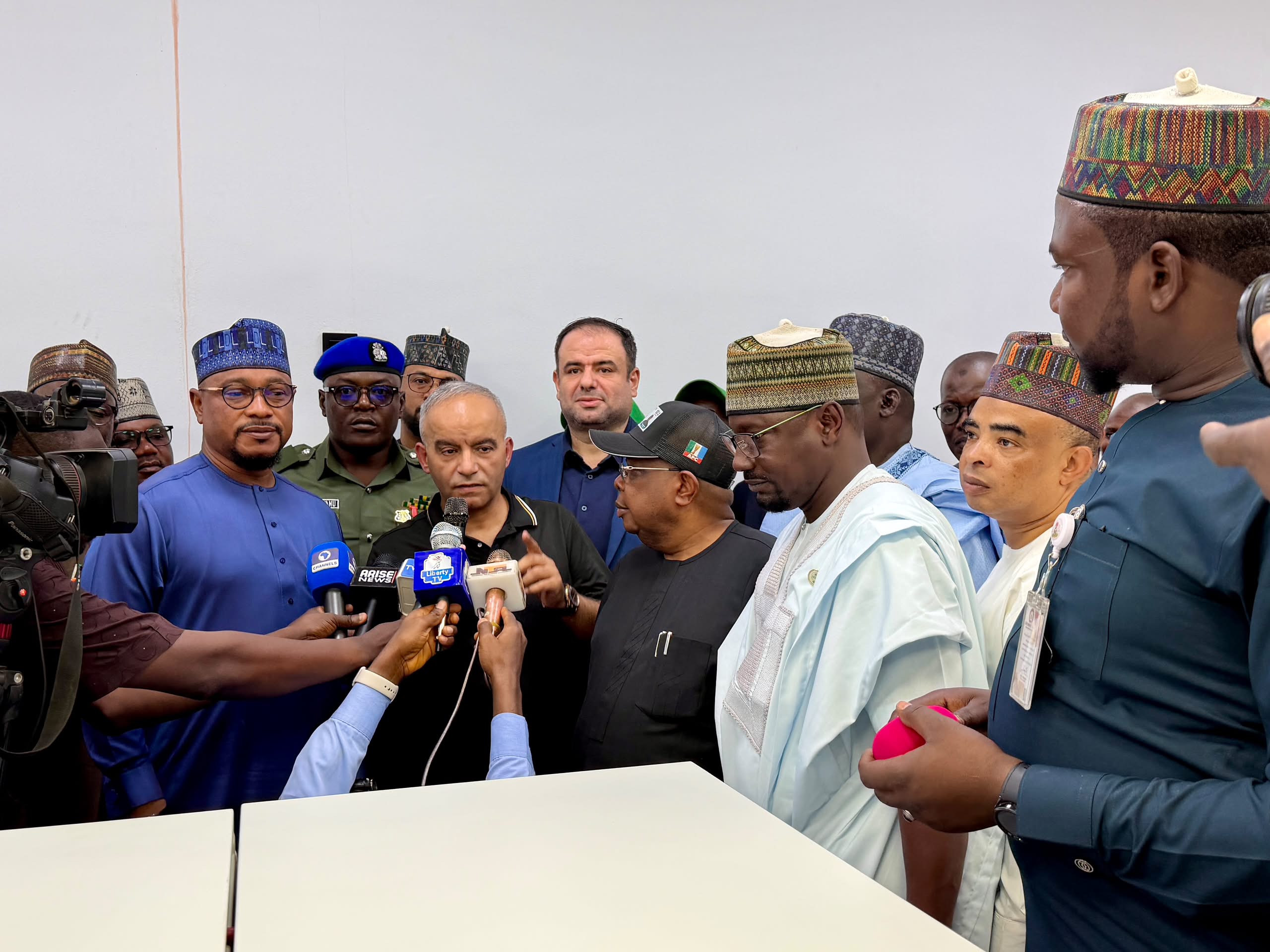
Nigeria has moved to unlock a gas resource discovered more than five decades ago as the $800 million Ima Gas Project reached Final Investment Decision (FID), in a development the Federal Government says could strengthen gas supply, industrial production and investment in the energy sector.
President Bola Ahmed Tinubu welcomed the FID announced on September 23, describing it as a major milestone in efforts to convert Nigeria’s vast gas reserves into productive investments, jobs and economic opportunities.
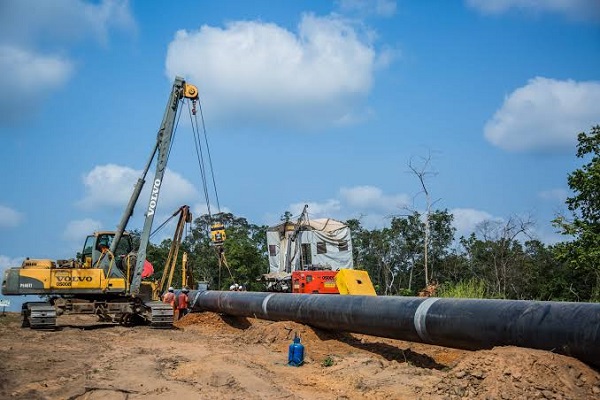
The Ima Gas Project, being developed by Nigerian independent oil and gas company AMNI International in partnership with TotalEnergies, is expected to produce about 300 million standard cubic feet of gas per day at peak.
The resource is located offshore in Oil Mining Leases (OMLs) 112 and 117 and was discovered in 1973 but remained undeveloped for more than 50 years.
Its development could provide additional feedgas for Nigeria LNG Limited while supporting wider industrial and energy needs.
The Ima FID is the fourth major gas project to reach the investment decision since Tinubu assumed office, following the Iseni, Ubeta and HI projects.
The Presidency said the projects reflected renewed investment momentum in Nigeria’s gas sector following reforms aimed at improving the commercial environment for oil and gas developments.
Tinubu said the government’s responsibility was to ensure that Nigeria’s natural resources were transformed into productive investments capable of generating jobs and improving livelihoods.
“For more than fifty years, the gas beneath Ima remained a resource with enormous potential, but potential alone does not create jobs, finance businesses or improve the lives of our people,” the President said.
He added that the government would continue efforts to create a competitive and predictable environment capable of attracting investment into the country’s gas resources.
The Ima development also signals increased participation by Nigerian companies and financial institutions in major upstream projects.
AMNI International, a Nigerian-owned exploration and production company, holds a majority interest in the asset.
The Presidency said Nigerian financial institutions arranged 77 per cent of the project’s financing, while about 60 per cent of its workforce is expected to come from host communities.
The communities identified include Bonny, Finima and Andoni in Rivers State.
The development is therefore expected to generate opportunities not only through gas production but also through construction, contracting, services, employment and other activities linked to the project.
Special Adviser to the President on Energy, Olu Verheijen, said the Ima project illustrated the importance of creating commercial conditions that enable discovered resources to move into development.
“Nigeria has never lacked resources. The challenge has been creating the commercial and investment conditions required to move those resources from beneath the ground into projects that employ Nigerians, create opportunities for Nigerian businesses, generate revenues and support economic growth,” Verheijen said.
She noted that a discovery made in 1973 could only contribute to the economy when capital was invested, financing secured, contractors engaged and the resource ultimately put to productive use.
READ ALSO : NIMASA security gains earn global recognition as US lifts 12-year port restriction
The Federal Government said its gas strategy is focused not only on increasing production but also on ensuring that the resource supports broader economic activity.
The strategy includes using gas to support LNG exports and foreign exchange earnings, provide feedstock for industries, expand fertiliser and petrochemical production and support electricity generation.
The administration introduced a series of Presidential Directives in 2024 aimed at improving fiscal competitiveness, shortening contracting timelines and reducing project costs in the oil and gas sector.
The government said the reforms were intended to address some of the factors that had contributed to years of underinvestment and delayed development of Nigeria’s hydrocarbon resources.
With the Ima project now at FID, attention will shift to its development and eventual production, as Nigeria seeks to translate its large gas reserves into greater industrial activity, investment and economic opportunities.