
By Seun Ibiyemi
The Chairman of SIFAX Group, Dr Taiwo Afolabi, has urged prospective investors in Nigeria’s logistics sector to prioritise cargo demand, operational efficiency and cash flow rather than focus primarily on acquiring trucks, warehouses and other physical assets.
Afolabi said the profitability and long-term sustainability of logistics investments depended on customer demand, effective utilisation of assets and the ability to generate adequate returns on invested capital.
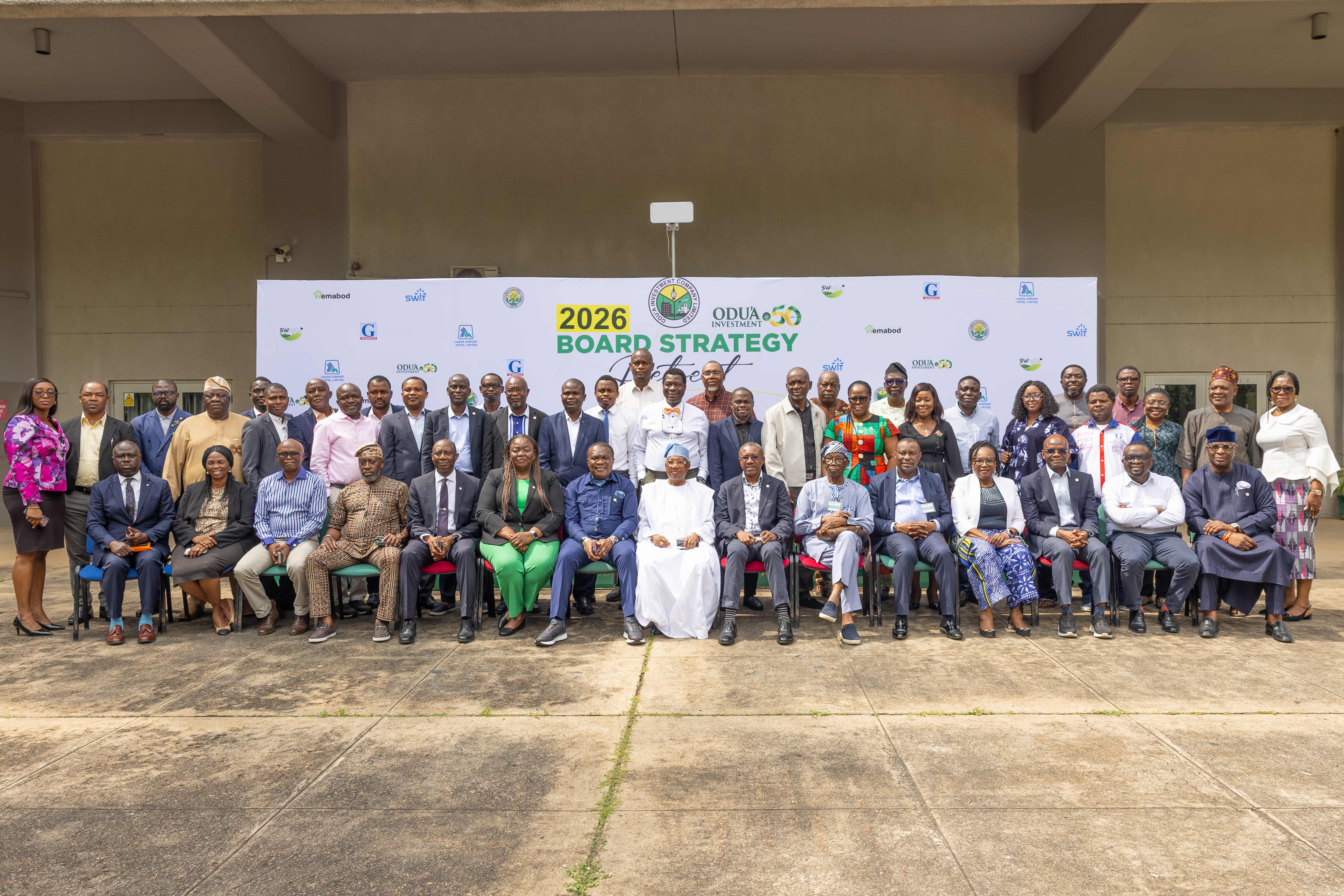
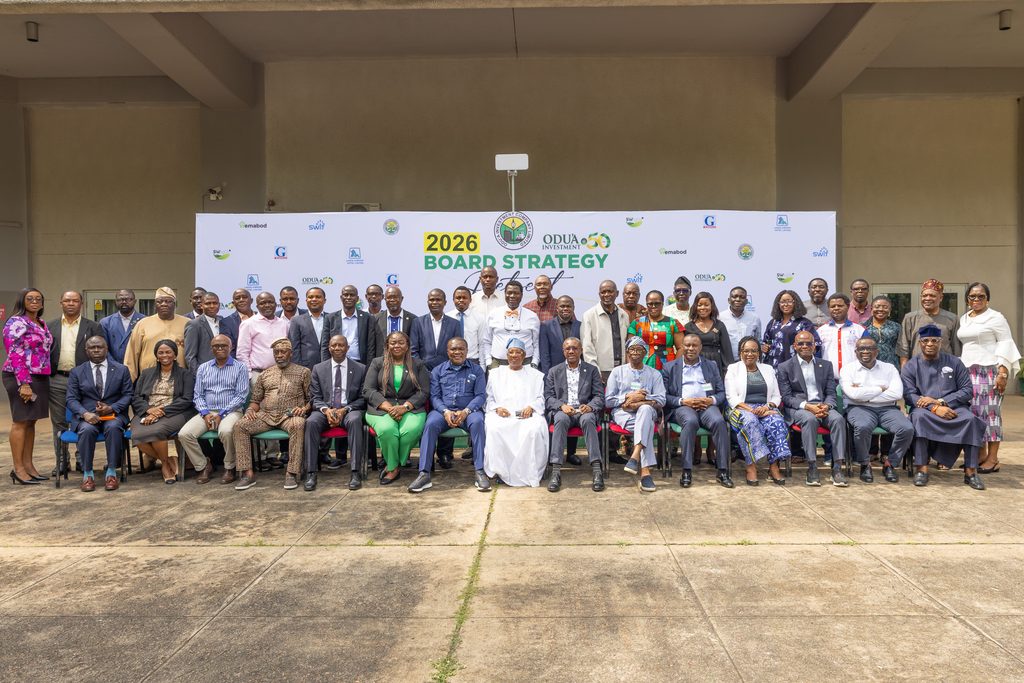
He gave the advice while delivering a speech at the 2026 Annual Strategy Retreat of Odu’a Investment Company Limited, held at the International Institute of Tropical Agriculture (IITA), Moniya, Ibadan.
Afolabi was represented at the event by Oliver Omajuwa, Deputy Director, Strategy and Operations at SIFAX Group.
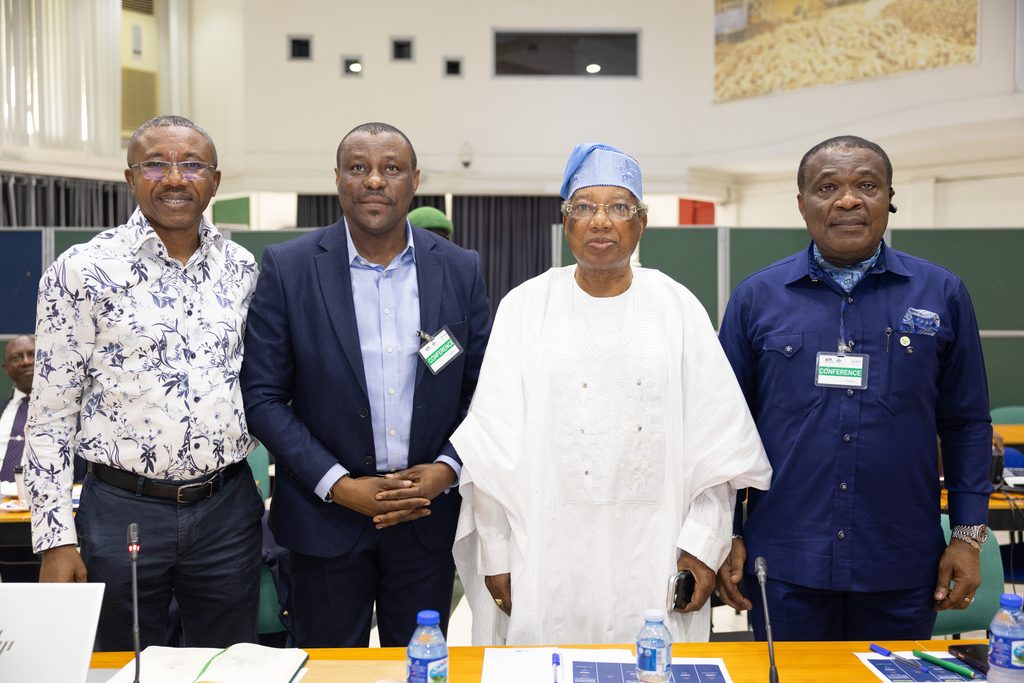
L-R; Mr. Abdulrahman Yinusa, Group Managing Director, Oodua Investment Company Limited (OICL), Oliver Omajuwa, Deputy Director, Strategy & Operation, SIFAX Group; Dr. Tola Kasali, Chairman, OICL and Otunba Bimbo Ashiru, immediate past Chairman, OICL during the company’s 2026 annual strategy retreat held in Ibadan
The SIFAX chairman identified warehousing, transportation, agricultural aggregation, cold-chain services, technology and specialised logistics as viable investment opportunities, urging investors to identify gaps across the value chain before committing resources.
He advised Odu’a Investment Company to assess the transportation, storage and distribution needs of its portfolio companies, noting that their combined requirements could provide a strong foundation for developing a shared logistics platform to support its investment ecosystem.
According to him, investment opportunities in port logistics extend beyond terminal operations to include cargo handling, freight forwarding, customs clearing, equipment maintenance, storage and export consolidation.
He explained that integrating these services could improve cargo movement, reduce operational complexities and allow customers to access multiple logistics solutions through a single service provider.
On agricultural logistics, Afolabi noted that increased production would deliver limited economic benefits without adequate infrastructure for aggregation, preservation, storage and distribution.
He identified cold rooms, temperature-controlled transportation and strategically located warehouses as critical investments for connecting agricultural production with processing facilities, retail markets and export channels.
READ ALSO:NIMASA, China Sign maritime cooperation agreement to strengthen bilateral ties
The SIFAX chairman also encouraged investors to consider different entry strategies, including greenfield developments, acquisitions and strategic partnerships with established operators, depending on their financial capacity, technical expertise and identified market opportunities.
He highlighted the role of technology in improving efficiency across the logistics value chain, particularly through cargo tracking, inventory management and operational monitoring systems.

However, Afolabi cautioned that investment decisions driven mainly by asset ownership could expose investors to financial risks, stressing that acquiring trucks, constructing warehouses or purchasing equipment did not automatically guarantee profitability.
He urged prospective investors to carefully evaluate customer requirements, asset utilisation, cash conversion and returns on invested capital before committing funds to logistics ventures.
His remarks highlight the importance of demand-driven investment and efficient service delivery in building sustainable logistics businesses in Nigeria.