By David Oluwatosin
The Federal Government has secured more than $65 million in financial and in-kind commitments from private sector partners to reduce maternal and newborn deaths, while strengthening nutrition programmes, health research and local pharmaceutical production.
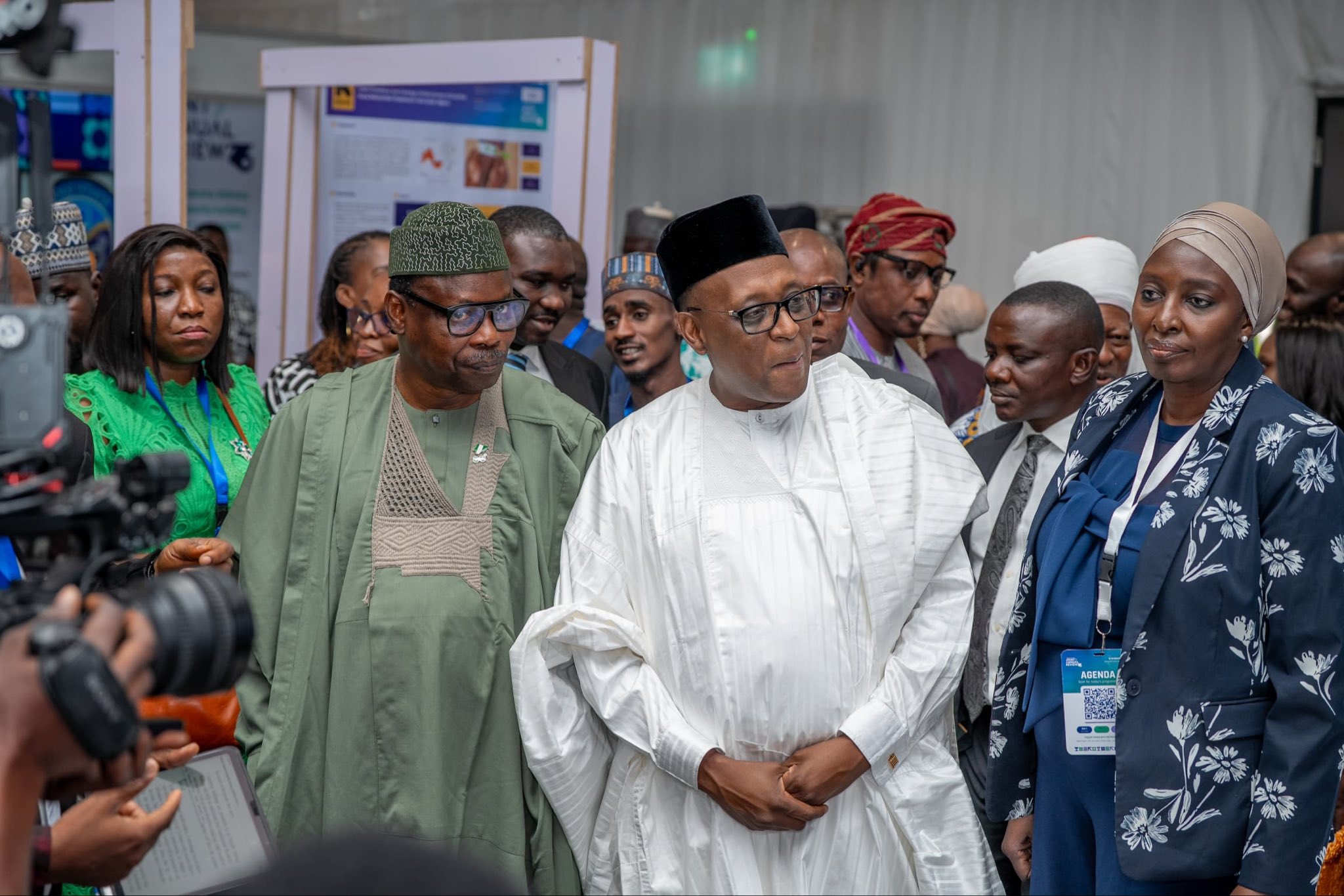
The Coordinating Minister of Health and Social Welfare, Professor Muhammad Ali Pate, announced the commitments at the 2026 Joint Annual Review (JAR) in Abuja during the launch of the Maternal and Neonatal Mortality Reduction Innovation Initiative (MAMII) Private Sector Compact.
The compact is designed to mobilise private investment, essential medicines, medical technologies, supply-chain capabilities and technical expertise to address gaps in maternal and newborn healthcare across 172 high-burden Local Government Areas in 33 states.
At the event, Pate also launched national policy instruments and clinical guidelines covering emergency obstetric and newborn care, obstetric fistula, sexual and reproductive health, family planning, and task shifting and task sharing.
Through the TEAM OB/NEO initiative, the ministry is also strengthening clinical training and frontline healthcare capacity to improve the management of obstetric and newborn emergencies.
Declaring open the JAR Scientific Conference, the Minister of State for Health and Social Welfare, Dr Iziaq Salako, emphasised the need for harmonised health indicators and credible data to guide policy decisions.
He outlined research benchmarks, including alignment with the 2025–2026 Mini-Demographic and Health Survey baselines, a maximum 10-percentage-point gap between routine and survey data, and annual readiness assessments of all 8,309 directly financed primary healthcare centres.
He also called for credible evaluations of MAMII, the Basic Health Care Provision Fund (BHCPF) and the pro-poor programme.
The conference received 242 abstracts, out of which 59 were selected for presentation.
At a nutrition side event organised in collaboration with the Office of the Vice President, under the theme, From Commitment to Impact: Reaching Every Community with Nutrition, Salako pledged to integrate nutrition services into routine primary healthcare delivery.
The proposed package will include multiple micronutrient supplements for pregnant women, infant and young child feeding counselling, vitamin A supplementation, and early detection and treatment of wasting.
He added that nutrition indicators would be incorporated into the Sector-Wide Approach (SWAp) results framework and JAR scorecards.
Representing Vice President Kashim Shettima, the Deputy Chief of Staff to the President, Senator Ibrahim Hassan Hadejia, announced that the National Food and Nutrition Bill had been approved for transmission to the National Assembly.
He urged state governments to establish functional nutrition committees and release allocated funds to support nutrition interventions.
The Permanent Secretary of the ministry, Daju Kachollom S. mni, said the government would translate the Governors’ Addis Ababa Commitment into measurable deliverables across all 774 local government areas.
She said the effort would strengthen nutrition data, accountability and community-based mother-to-mother support.
READ ALSO:FG commissions 3 gas facilities in Kano to boost clean energy distribution
The Senior Special Assistant to the President on Public Health and Focal Person on Nutrition, Uju Rochas, disclosed that more than 450 local government areas had established nutrition committees.
She also said the Child Nutrition Fund had reached $52 million, comprising $26 million contributed by Nigeria and an equivalent amount provided by development partners through a one-to-one matching arrangement.
According to her, a nine-month delivery cycle would begin in four high-burden states, with stunting-reduction targets and performance scorecards to monitor progress.
The National Coordinator of the Presidential Initiative for Unlocking the Healthcare Value Chain (PVAC), Dr Mukhtar Abdul, highlighted progress in local production of insecticide-treated nets, diagnostic products and medical oxygen, as well as investments in pharmaceutical manufacturing.
He disclosed that an active pharmaceutical ingredient (API) plant was expected to commence operations in the first quarter of 2027.
Abdul also said PVAC was targeting support for more than 200 pharmaceutical manufacturers through financing initiatives.
The Federal Government said the investments and policy measures formed part of broader efforts to strengthen domestic healthcare capacity, improve access to essential health services and reduce dependence on imported medical products.