By Seun Ibiyemi
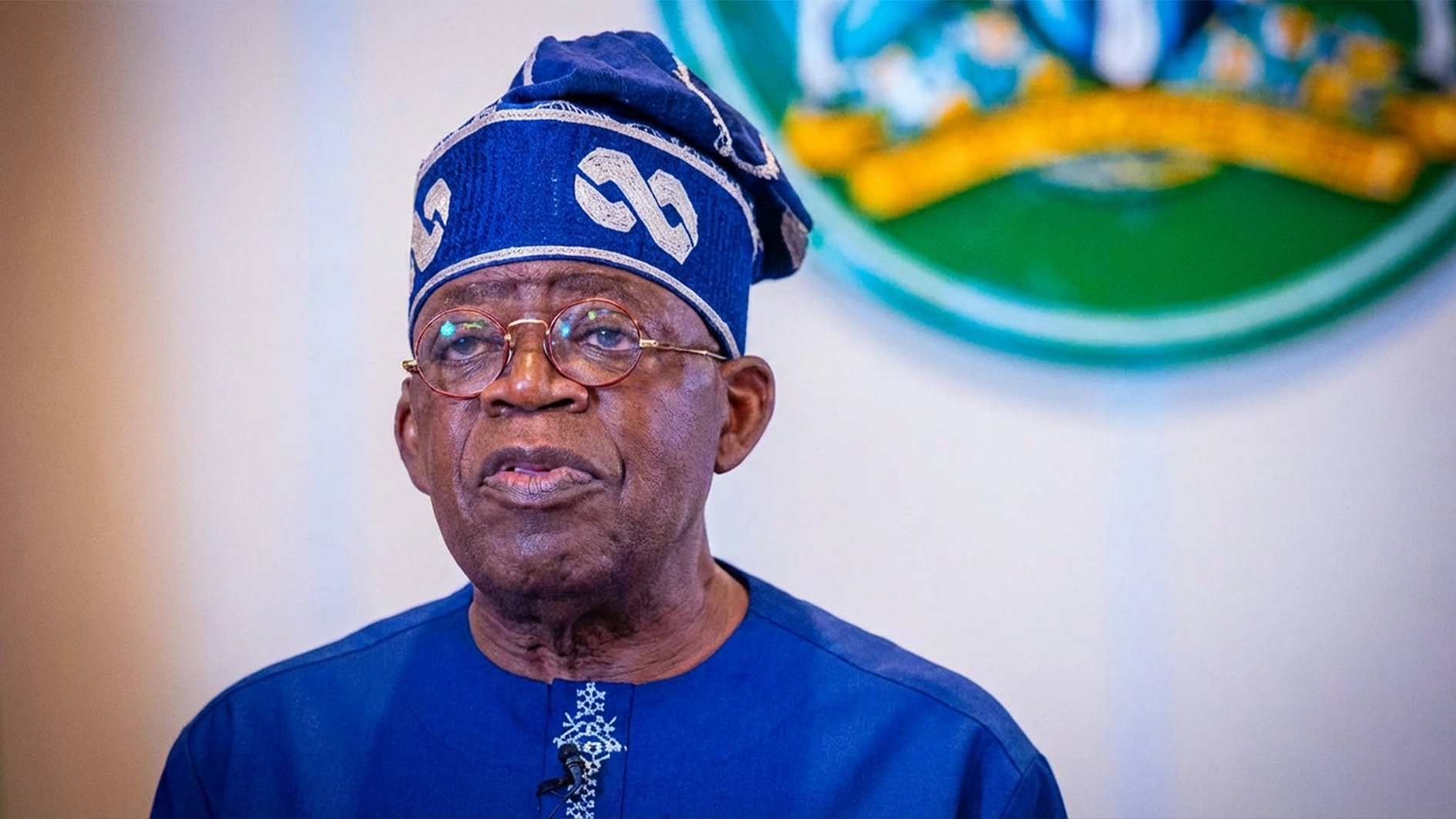
President Bola Tinubu has ruled out reinstating petrol subsidy, insisting that Nigeria lacks the financial capacity to return to the policy as his administration faces mounting pressure over rising fuel prices and the cost of living.
Tinubu stated this on Monday while addressing members of the City Boy Movement, arguing that reversing the removal of petrol subsidy would undermine the economic reforms introduced by his government.
The President maintained that the country could no longer afford the financial burden associated with subsidising petrol consumption, warning that a return to the previous arrangement could worsen the government’s fiscal position.
“With your ideas, I came and I removed subsidy the first day. No, Nigeria will go bankrupt. You have nothing left to pay subsidy,” he said.
Tinubu acknowledged that opposition politicians had promised to restore petrol subsidy but insisted that Nigeria must continue with its current economic direction.
“I listen to my political opponents promising a return to subsidy,” he added.
Using a religious analogy drawn from the biblical and Quranic accounts of Moses, also known as Musa, leading the Israelites out of Egypt, the President argued that the country should not reverse the decision.
“You cannot ask Moses to go back to Egypt. We will campaign with ideas and original thoughts and deep thinking to move this country forward. With your energy, your support, never will we go back to Egypt,” Tinubu said.
The President’s comments reaffirm his administration’s position that subsidy removal remains a central component of its economic reform agenda, despite sustained criticism over the impact of higher petrol prices on households and businesses.
Tinubu announced the removal of petrol subsidy during his inauguration on May 29, 2023, declaring that “fuel subsidy is gone”.
The policy change was followed by significant increases in petrol prices, transportation fares and the cost of moving goods across the country.
The Federal Government has consistently defended the decision, arguing that the previous subsidy arrangement placed considerable pressure on public finances and limited resources available for infrastructure and other development priorities.
However, the policy has remained controversial as households and businesses continue to grapple with higher operating expenses and declining purchasing power.
Opposition politicians and other stakeholders have questioned the pace and impact of the reforms, calling for measures to cushion the effects of higher fuel costs on Nigerians.
Earlier this month, the Minister of Finance and Coordinating Minister of the Economy, Taiwo Oyedele, warned that restoring petrol subsidy could push pump prices to at least ₦2,000 per litre and weaken the naira to approximately ₦3,000 against the dollar within months.
Oyedele argued that renewed subsidy payments would place additional pressure on government revenue and the wider economy.
The warning reflects the administration’s position that a return to government-funded price support could undermine efforts to improve fiscal stability.
However, the projected petrol price and exchange rate represent potential outcomes cited by the minister, rather than confirmed forecasts of what would necessarily happen if the policy were reversed.
The Federal Government has also defended a recent intervention by the Nigerian National Petroleum Company Limited (NNPC Ltd.) aimed at cushioning the impact of rising petrol prices.
The government insisted that the measure did not constitute a return to the subsidy regime.
The clarification comes amid continuing debate over the difference between temporary interventions to moderate fuel-price increases and a full reinstatement of government-funded subsidies.
With petrol prices influencing transportation, food distribution, manufacturing and other economic activities, the government’s approach to easing the burden on consumers remains a major public concern.
Tinubu’s latest comments indicate that his administration intends to maintain the subsidy-removal policy despite calls for a reversal.
The government now faces the challenge of balancing fiscal objectives with the need to reduce the pressure of rising living costs on households and businesses.
While the administration argues that ending subsidies will strengthen public finances, critics continue to question whether the resulting savings have translated into sufficient relief for ordinary Nigerians.
The sustainability of the policy will therefore depend not only on the government’s ability to manage public revenue and expenditure but also on its capacity to improve social protection, strengthen economic opportunities and ease the cost of essential goods and services.
For now, Tinubu has ruled out a return to petrol subsidy, maintaining that Nigeria must move forward with its existing economic reforms rather than revisit the previous arrangement.