
By Seun Ibiyemi
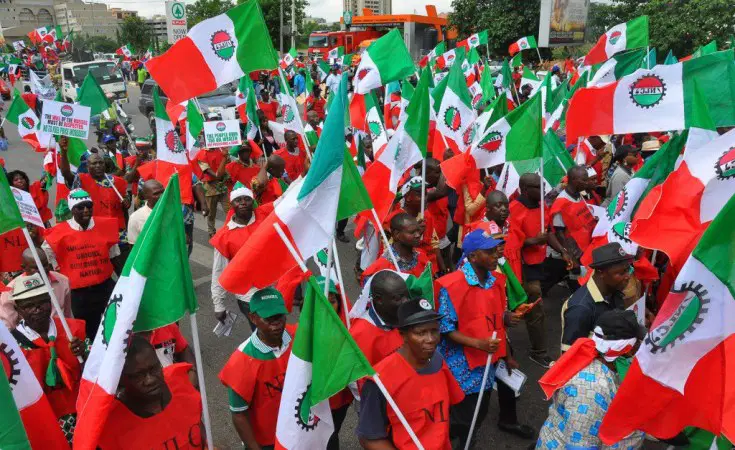
Public sector workers across Nigeria will begin a three-day warning strike from midnight Friday, October 2, 2026, following the failure of the Federal Government to address demands by the Joint National Public Service Negotiating Council (JNPSNC).
The council directed workers in the federal, state and local government services, including employees of ministries, departments and agencies (MDAs), to join the industrial action scheduled to run until October 4.
The directive was contained in a circular dated October 1, 2026, signed by the JNPSNC National Secretary (Trade Union side), Olowoyo Gbenga.
The council said the strike was necessary to press the government on issues it described as critical to the survival and welfare of Nigerian workers amid worsening economic hardship.
The JNPSNC had written to President Bola Tinubu on September 21, demanding urgent intervention on the rising cost of living and the erosion of workers’ purchasing power.
A major demand is the reduction of the pump price of Premium Motor Spirit (PMS) to N500 per litre.
The council argued that high petrol prices have increased transportation costs and contributed to higher prices of food, school fees, rent and other essential goods and services.
It called for an intervention fund to address landing costs and support oil and gas operators, while also urging the Federal Government to ensure crude oil is supplied to the Dangote Refinery and modular refinery operators at appropriate terms.
According to the unions, increased domestic refining would help expand local supply and reduce the cost of petroleum products.
The unions are also demanding an immediate wage award for public servants to cushion the impact of the prevailing economic conditions.
The JNPSNC further wants the Federal Government to immediately constitute a tripartite committee to begin negotiations for a new national minimum wage expected to become due in 2027.
The council said early negotiations were necessary to prevent administrative delays and ensure that a new wage structure could be implemented after negotiations and legislative processes.
The demand comes as labour continues to argue that the current N70,000 minimum wage has been significantly eroded by rising prices.
The warning strike followed the September 29 ultimatum issued by the JNPSNC, which gave the Federal Government until September 30 to address its demands.
The unions had specifically expected President Tinubu’s Independence Day address on October 1 to announce measures addressing petrol prices, workers’ wages and the wider cost-of-living crisis.
However, the council said the President’s address did not meet those expectations.
A JNPSNC leader said labour was disappointed that the speech did not announce a reduction in petrol prices or specific measures to immediately alleviate the economic hardship confronting workers and other Nigerians.
Consequently, the council directed its affiliate unions to mobilise workers nationwide for the three-day industrial action.
The planned strike comes against the backdrop of similar concerns raised by the Nigeria Labour Congress (NLC) in its Independence Day statement.
NLC President Joe Ajaero said rising petrol prices, inflation, stagnant wages, unemployment and insecurity had deepened the economic difficulties confronting workers and other Nigerians.
The NLC said the real value of workers’ wages had been eroded by inflation, while rising transportation costs had pushed up the prices of food, school fees, rent and other necessities.
The labour centre said petrol was selling for about N1,430 per litre or higher in major cities, with prices reportedly higher in some remote locations.
It urged the Federal Government to explore immediate measures to reduce petrol prices, arguing that transportation costs remain a major channel through which fuel price increases affect household expenses.
Beyond the immediate wage award, the NLC called for the establishment of a tripartite committee to negotiate a new national minimum wage ahead of 2027.
READ ALSO: Tinubu extends 2025 budget implementation to December 31, 2026
It also demanded implementation of tax relief measures it said were agreed during the October 2023 government-labour dialogue.
The labour centre further called for a reduction in the cost of governance and greater transparency in the management of public resources.
It urged the government to create more economic opportunities for young Nigerians, while also raising concerns over insecurity and its impact on farmers, teachers, healthcare workers and other citizens.
The JNPSNC’s directive covers public servants across the three tiers of government, with affiliate unions expected to mobilise their members for the warning strike.
The council said the industrial action would remain in effect for three days as it seeks a response from the Federal Government to its demands.
The strike places renewed pressure on the government to address labour’s concerns over petrol prices, wages and the broader cost-of-living crisis, while also setting the stage for further negotiations over the next national minimum wage.

