By Seun Ibiyemi
The Federal Government has said Nigeria is moving from a period of difficult economic reforms towards greater stability, growth and shared prosperity, as the country marks its 66th Independence Anniversary.
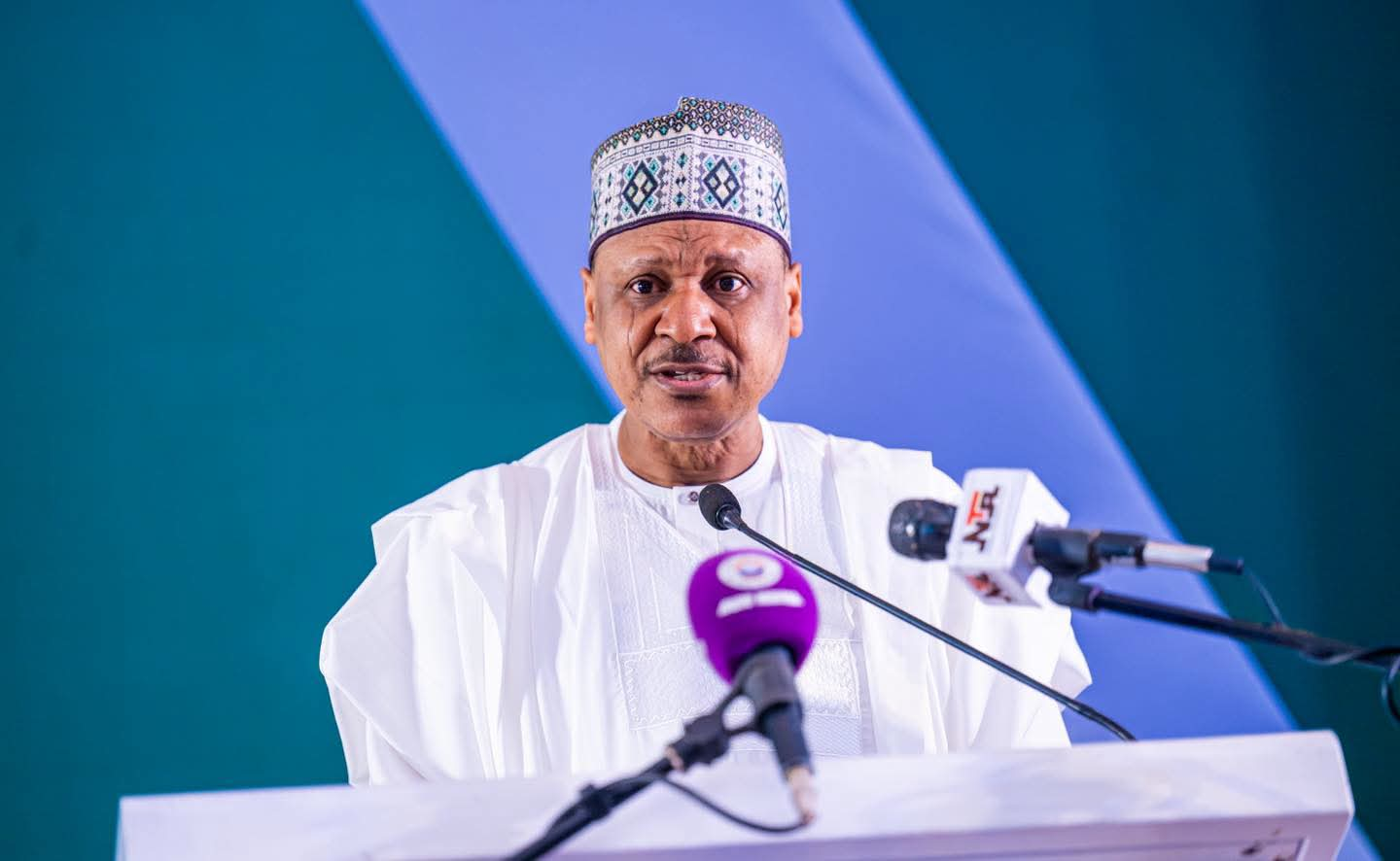
The Minister of Information and National Orientation, Mohammed Idris, stated this at the Independence Day Public Lecture held in Abuja to commemorate Nigeria’s 66 years of independence.
The lecture was themed “From Reforms to Stability: Consolidating Nigeria’s Renewed Hope for Shared Prosperity.”
Idris said the reforms introduced by the administration of President Bola Ahmed Tinubu over the past three years had required significant sacrifice and patience from Nigerians, but argued that they were aimed at addressing longstanding structural weaknesses in the economy.
He said the reforms were beginning to produce encouraging indicators, pointing to Nigeria’s 4.43 per cent real GDP growth recorded in the second quarter of 2026.
The National Bureau of Statistics confirmed that the economy grew by 4.43 per cent year-on-year in Q2 2026, compared with 4.23 per cent in Q2 2025 and 3.89 per cent in the first quarter of 2026.
According to Idris, domestic refining capacity is also expanding, investment is returning to critical sectors and major infrastructure projects are progressing across the country.
He said the central objective of the Tinubu administration was to ensure that the gains from economic reforms ultimately translate into tangible improvements in the lives of ordinary Nigerians.
“Our goal is clear: to turn reform into stability, stability into growth, and growth into a new era of shared prosperity in which every Nigerian can aspire, work and prosper.”
The minister acknowledged that the journey had not been without difficulties, stressing that Nigerians had been required to make sacrifices as the government implemented measures designed to correct structural imbalances.
He said the reforms should therefore be viewed as part of a broader process of repositioning the Nigerian economy for sustainable growth rather than as an end in themselves.
Idris emphasised that government could not achieve the country’s development objectives alone, calling for stronger contributions from the private sector, media, civil society, traditional and religious institutions, academia and citizens.
He particularly highlighted the role of the media in shaping public discourse as Nigeria approaches another electoral cycle.
According to him, journalists and media organisations have a responsibility to promote fact-based public discussion, verification and national cohesion.
The minister said political differences were legitimate within a democracy but should not undermine Nigerians’ shared national identity.
“Political differences are legitimate in a democracy; they must never diminish our common identity as Nigerians.”
He urged Nigerians to approach the country’s challenges with a renewed sense of responsibility, stressing that every generation inherits the responsibility of strengthening the nation and passing it on to the next.
Reflecting on Nigeria’s 66 years as an independent nation, Idris described the country as a continuing national project requiring contributions from successive generations.
He said Nigeria’s founding leaders and heroines took on the task of building a united country from its considerable diversity and expressed confidence that the same responsibility remained with Nigerians today.
READ ALSO: FG begins construction of New National Control Centre to modernise Nigeria’s power grid
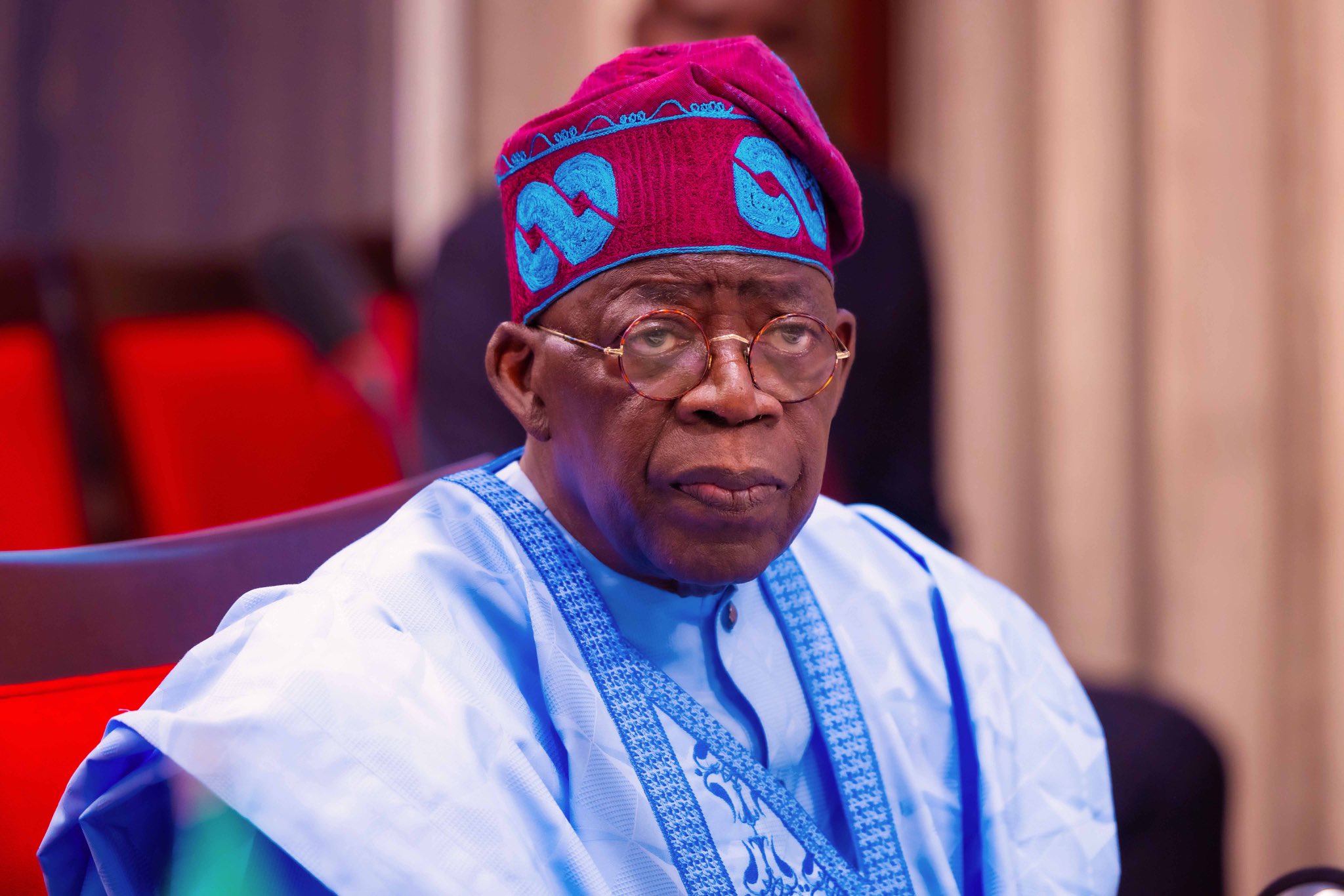
The minister said President Tinubu currently holds the responsibility of steering the country through the ongoing reform process towards stability, economic growth and shared prosperity.
He called on Nigerians to renew their confidence in the country and remain committed to building a nation that provides opportunities for citizens to live, work and prosper.
The minister concluded by urging citizens to maintain faith in Nigeria and contribute to national development as the country moves beyond its 66th year of independence.
The Federal Ministry of Information and National Orientation has similarly said the government’s reform agenda is aimed at consolidating economic gains and translating them into improved living standards, while citing the 4.43 per cent Q2 2026 GDP growth as one of the recent economic indicators.