By Seun Ibiyemi
The Federal Government has commenced construction of a new ultra-modern National Control Centre for the Nigerian Independent System Operator (NISO) in Osogbo, Osun State, in a major step towards strengthening the stability, security and resilience of Nigeria’s electricity grid.
The new facility is expected to replace the existing National Control Centre, which has been in operation for 64 years and is no longer considered adequate for the demands of managing Nigeria’s increasingly interconnected power system.
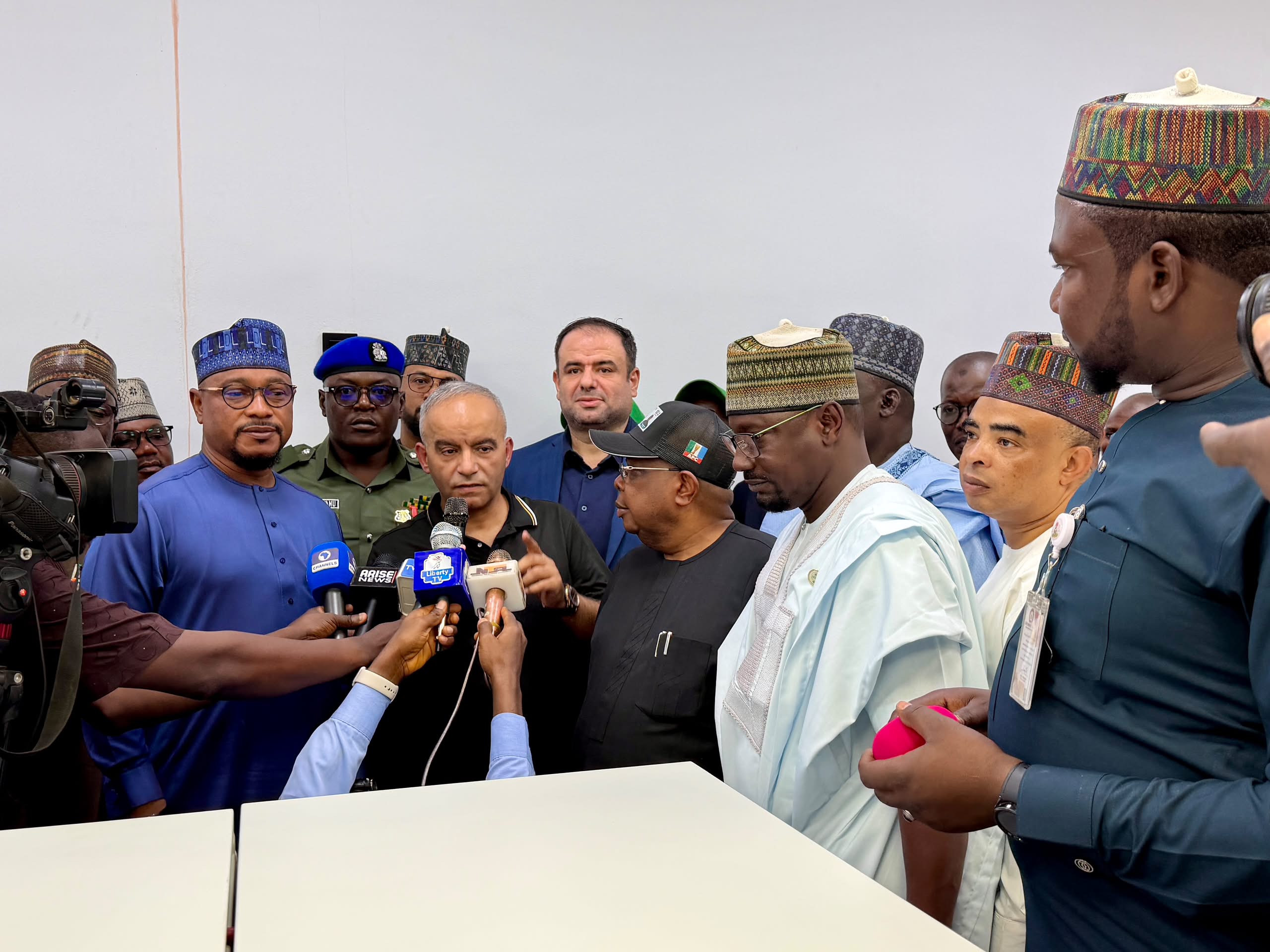
The groundbreaking ceremony was performed by Vice President Kashim Shettima, represented by his Senior Special Assistant, Legal, Bashir Maidugu, alongside the Minister of Power, Joseph Tegbe.
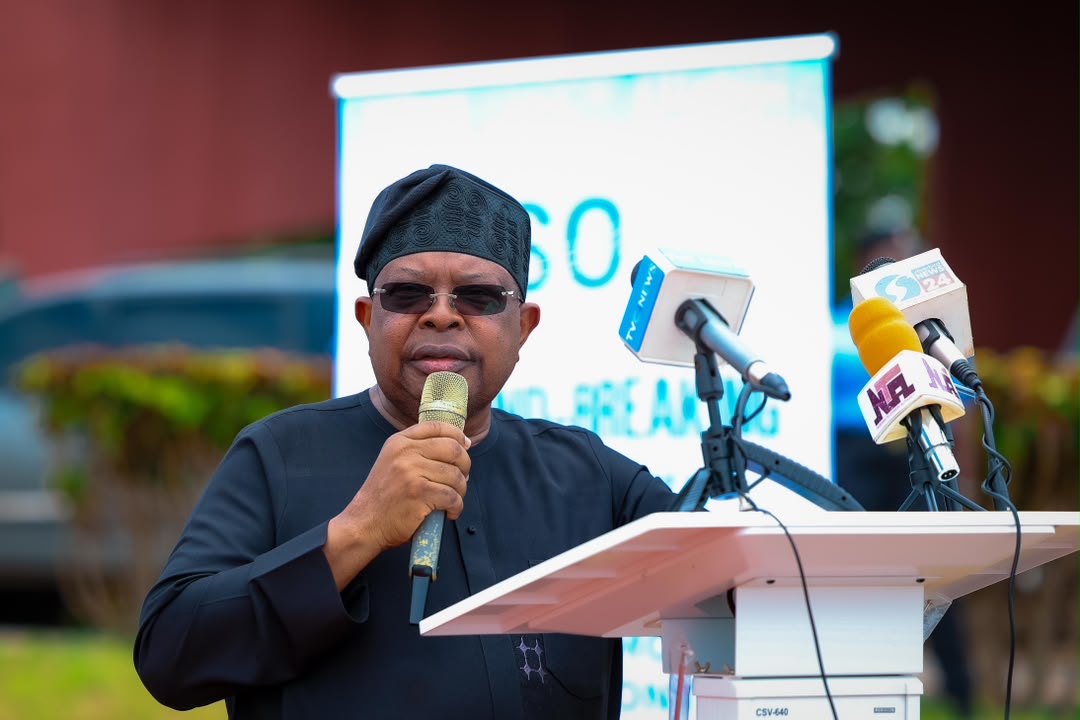
Speaking at the ceremony, Shettima said reliable electricity remained central to President Bola Ahmed Tinubu’s Renewed Hope Agenda, describing power supply as a critical foundation for economic growth and development.
According to him, dependable electricity enables manufacturers to plan production, allows small businesses to operate with greater confidence and supports the effective functioning of hospitals and schools, while creating jobs and broader economic opportunities.
He said the National Control Centre was at the heart of protecting the reliability of the national grid, stressing that Nigeria could not operate a modern interconnected power system with outdated infrastructure.
Giving an overview of the project, Tegbe said the new facility would significantly improve NISO’s ability to monitor developments across the national grid and respond quickly to emerging challenges.
He described the project as a practical demonstration of the Tinubu administration’s commitment to addressing the underlying weaknesses affecting electricity supply in the country.
According to the minister, the new control centre will feature integrated Supervisory Control and Data Acquisition (SCADA) systems, large-format displays and advanced analytics.
These technologies, he said, would enable grid operators to identify developing faults, plan preventive maintenance and optimise the use of available generation and transmission capacity.
The facility is also expected to improve the response to system disturbances, facilitate the integration of renewable energy into the national grid and strengthen Nigeria’s coordination with the West African Power Pool (WAPP).
Tegbe said the project would also be supported by stronger physical and cybersecurity measures as the country seeks to build a more resilient electricity system.
For electricity consumers and businesses, he said the expected benefit would include fewer avoidable outages and improved reliability of power supply.
READ ALSO:Customs repatriates rescued baby Gorilla Bili to Congo, records 22 wildlife seizures
The minister, however, noted that the new control centre alone could not resolve all challenges within the electricity value chain.
He stressed the need for adequate gas feedstock for power generation, properly maintained transmission infrastructure and distribution networks capable of delivering generated electricity to end users.
According to him, the new centre would strengthen the coordination required to ensure that investments across the power value chain translate into electricity that can be effectively delivered to consumers.
The Managing Director and Chief Executive Officer of NISO, Engr. Abdu Bello Mohammed, said the new centre would provide the system operator with greater visibility of developments across the national grid.
He said improved visibility would enhance coordination and enable faster and better-informed responses to system disturbances, thereby strengthening the security and resilience of electricity supply.
Mohammed said upgraded telemetry, SCADA and automatic metering would provide NISO with better-quality data for operational decision-making and improve the accuracy of market settlement.
He added that the facility would equip NISO to meet the technical requirements associated with Nigeria’s participation in the wider West African power system.
The NISO chief executive also disclosed that the organisation was developing the human capacity required to operate the new facility in line with international standards.
“Technology does not operate the grid, people do,” he said, underscoring the importance of skilled personnel alongside modern infrastructure.
The groundbreaking ceremony was attended by members of the NISO Board and Management, members of the National Assembly Committees on Power, representatives of electricity Distribution Companies, officials of the Osun State Government, industry stakeholders and community leaders.
The project is expected to mark a significant phase in the Federal Government’s efforts to modernise Nigeria’s electricity infrastructure and improve the stability and resilience of the national grid.