By Seun Ibiyemi
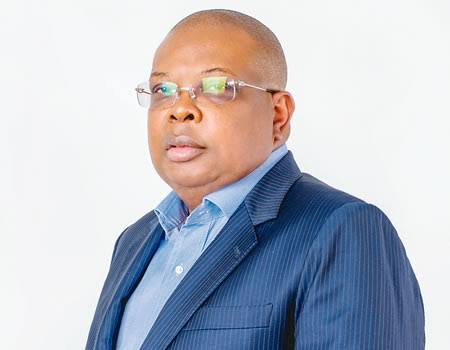
Minister of Power, Joseph Tegbe, has said some Nigerians have asked him to “slow down” with efforts to improve electricity supply because their freezers are now working continuously.
Tegbe made the remark on Wednesday, at the commissioning of a 3-megawatt solar hybrid power project at Yakubu Gowon University, formerly the University of Abuja.
The minister said improved electricity supply had resulted in some areas that previously experienced prolonged outages now receiving up to 18 hours of power daily.
“Places that didn’t have light at all for three months are now having 18 hours light. Some areas called me to say, look, I should slow down, that everything in their freezer is freezing. That is what freezer is meant to do. Let it freeze the food that needs to be frozen,” Tegbe said.
READ ALSO: State Police: 36 Assemblies get constitutional amendment bill for approval
The minister said the development reflected the impact of ongoing efforts to improve electricity supply across the country.
Tegbe recalled that during his Senate screening, he had promised that Nigerians would begin to notice improvements in electricity supply within three to six months.
He, however, acknowledged the significant infrastructure challenges confronting the power sector, noting that some electricity infrastructure in the country had been in operation for more than four decades.
“Some of the infrastructure we have in the electricity and power sector are more than 40 years old. We’re systematically replacing them, phasing them out and bringing new ones,” he said.
The minister said the government was therefore adopting a systematic approach to replacing ageing infrastructure while introducing new facilities to strengthen electricity supply.
His comments came as the Federal Government commissioned the 3MW solar hybrid project at Yakubu Gowon University as part of efforts to provide more reliable electricity to public institutions and reduce dependence on diesel-powered generators.