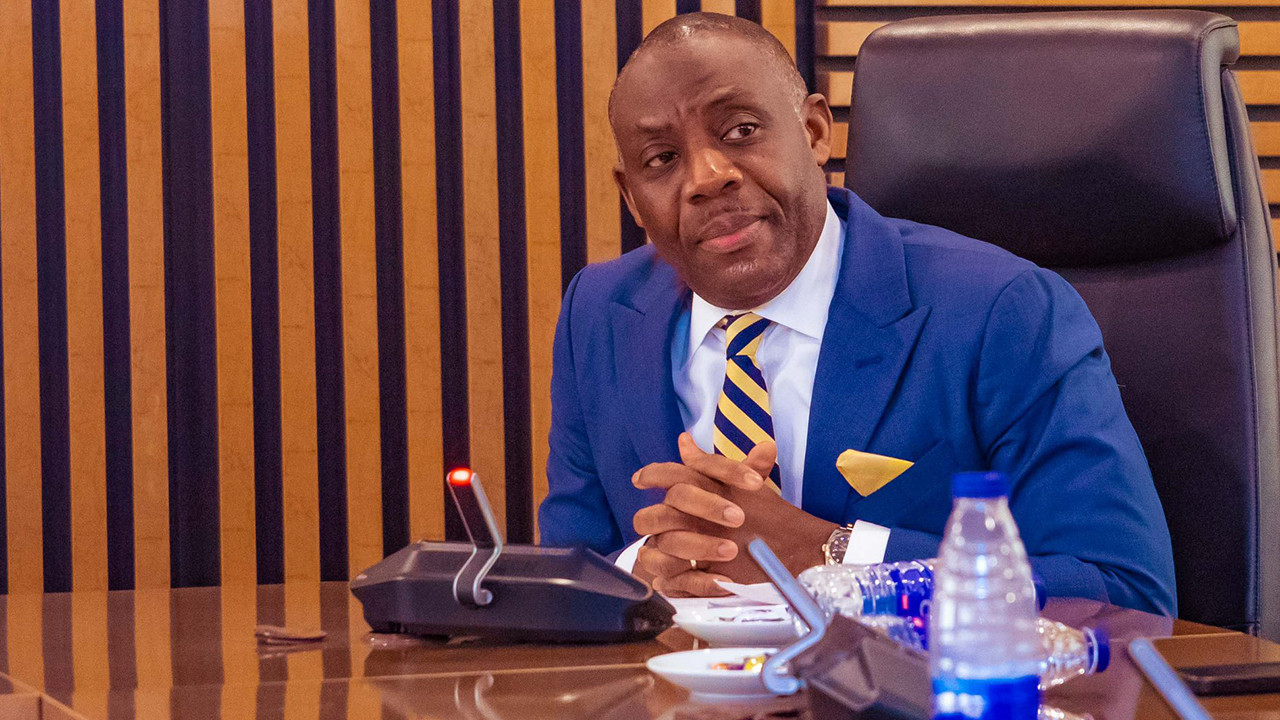
President Bola Ahmed Tinubu has directed that funds recovered by the Economic and Financial Crimes Commission (EFCC), as well as unclaimed dividends and balances in dormant bank accounts, be channelled to the Nigerian Education Loan Fund (NELFUND).
The directive is aimed at strengthening the Federal Government’s student loan programme and expanding access to interest-free financing for Nigerian students in tertiary institutions.
The move is part of the administration’s broader strategy of deploying recovered and idle financial assets to critical sectors, particularly education and human capital development.
Under the directive, additional funds accruing to NELFUND are expected to improve the sustainability of the student loan scheme and enable the agency to accommodate the growing number of applicants across public tertiary institutions.
NELFUND has been providing institutional fee payments and monthly upkeep allowances to eligible beneficiaries since the rollout of the Federal Government’s student financing programme.
The Managing Director of NELFUND, Akintunde Sawyerr, recently disclosed that the fund had disbursed more than N322 billion to beneficiaries.
Of the amount, approximately N192 billion was disbursed for institutional fees, while about N129.8 billion was provided as monthly upkeep allowances.
READ ALSO:Atiku challenges Tinubu to account for N30trn in federation revenue
The growing volume of disbursements underscores the increasing demand for student financing and the need for sustainable funding sources to support the programme.
The student loan scheme operates as an interest-free revolving facility, with repayment tied to beneficiaries’ post-graduation income.
Beneficiaries are expected to repay 10 per cent of their earnings once they secure gainful employment, while repayment obligations remain suspended during periods of unemployment.
The President’s directive is expected to provide NELFUND with additional financial capacity to expand its coverage and strengthen the long-term viability of the scheme.
The initiative is also designed to reduce financial barriers preventing qualified Nigerian youths from accessing and completing higher education, while ensuring that recovered and idle public-related funds are redirected towards national development.