
By Olakunle oke
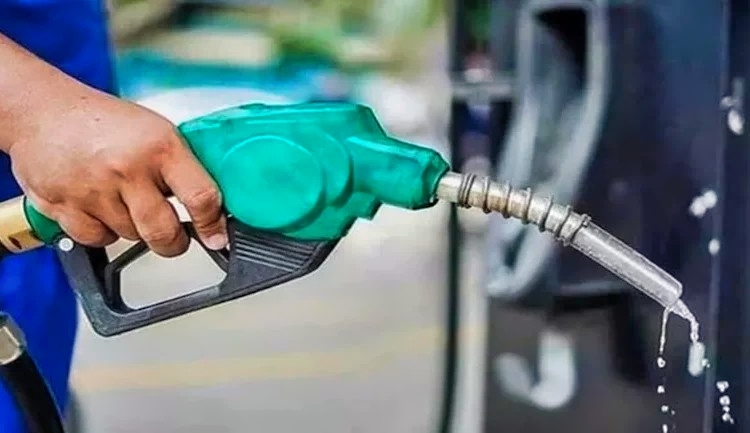
Fresh industry data from the Nigerian Midstream and Downstream Petroleum Regulatory Authority (NMDPRA) has shown a significant increase in domestic refining activities in May 2026, accompanied by a sharp decline in fuel imports and national consumption of petroleum products.
According to the agency’s Midstream and Downstream Statistics for May 2026, the country’s petroleum import profile continued to shrink as local refining capacity expanded, signalling a major shift toward domestic production.
The report revealed that automotive gas oil (diesel) imports dropped by 100 per cent, falling from 1.7 million litres per day in April to zero imports in May.
Imports of liquefied petroleum gas (LPG), commonly known as cooking gas, also remained negligible, leaving domestic gas plants and vessels to meet market demand.
Premium Motor Spirit (PMS), or petrol, was the only product still imported in notable volumes, with imports rising slightly to 5.9 million litres per day. However, the volume remained significantly lower than domestic output from local refineries.
While the government-owned refineries in Port Harcourt Refinery, Warri Refinery and Kaduna Refinery remained inactive during the period, private refiners recorded strong performance.
The report showed that domestic refineries received a total of 0.578 million barrels of crude oil per day, with the Dangote Refinery operating at an average capacity utilisation of 101.25 per cent in May.
The refinery produced 44.7 million litres of petrol daily and 24.5 million litres of diesel per day, significantly reducing the country’s dependence on imported fuel products.
Modular refineries, including WalterSmith Refinery, Edo Refinery and Aradel Holdings, further supported local supply with an additional 0.648 million litres of diesel daily.
Despite the surge in domestic production, fuel demand declined across most product categories during the month.
Daily petrol consumption fell by 9.4 per cent month-on-month, dropping from 51.1 million litres per day in April to 46.3 million litres per day in May.
READ ALSO:FG issues transition guidelines for implementation of new tax law
The figure represents the lowest petrol demand recorded in 2026 and continues a downward trend from the peak consumption level of 60.2 million litres per day recorded in January.
Diesel consumption also declined to 16 million litres per day, while LPG consumption dropped to 4.5 kilotons per day.
Aviation fuel emerged as the only petroleum product segment to record growth during the period, driven by increased commercial airline operations across the country.
The latest figures highlight Nigeria’s growing reliance on local refining capacity, particularly from private operators, while also reflecting changing fuel consumption patterns amid ongoing economic adjustments.


https://shorturl.fm/b9dIa
https://shorturl.fm/ynMj7