By Seun Ibiyemi
Nigeria has secured a landmark £746 million financing agreement with the United Kingdom to modernise its two busiest seaports, Apapa and Tin Can Island, marking the most significant upgrade of the country’s port infrastructure in nearly five decades.
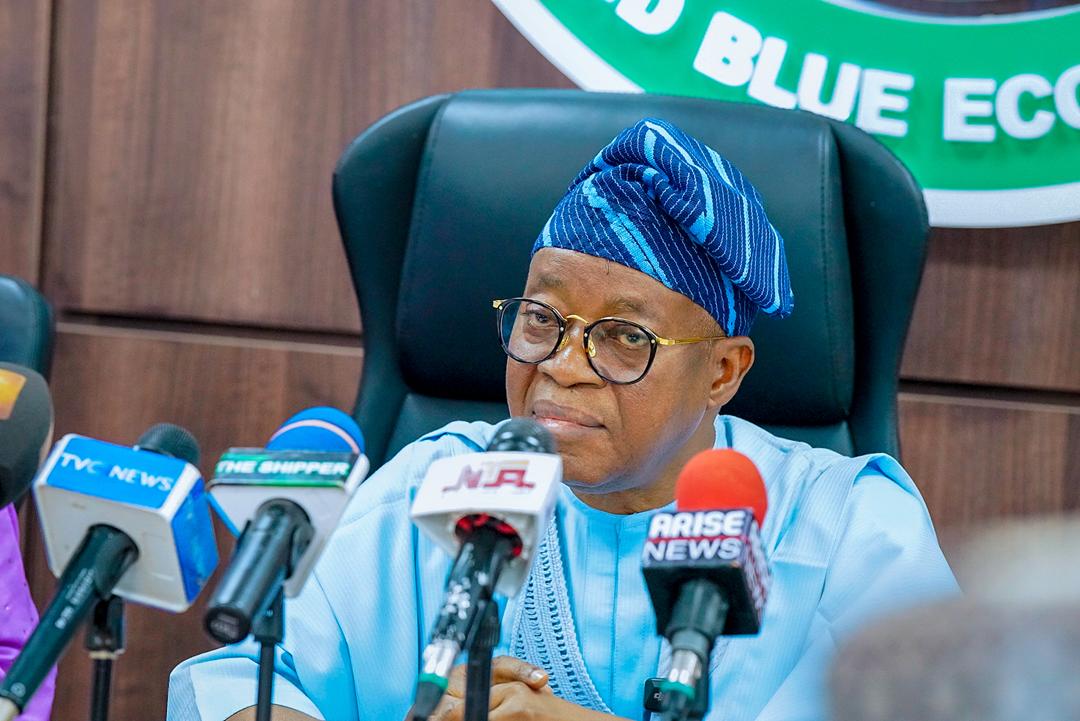
The deal, unveiled by the Minister of Marine and Blue Economy, Adegboyega Oyetola, is backed by UK Export Finance and will fund the comprehensive overhaul of the Lagos Port Complex Apapa and Tin Can Island Port Complex.
The agreement is expected to be formally signed during the state visit of President Bola Tinubu to London on March 18 and 19, signalling stronger economic ties between Nigeria and the United Kingdom.
Together, the two Lagos ports handle over 70 per cent of Nigeria’s imports and exports, making them critical to the nation’s trade and logistics system.
Read also:Court fines EFCC N500,000 over delays in Emefiele trial
However, both facilities have long suffered from outdated infrastructure and operational inefficiencies.
Oyetola described the deal as a “defining moment” for Nigeria’s maritime sector, noting that it represents the first comprehensive modernisation of the ports since their establishment.
The Apapa Port, built in 1913, and Tin Can Island Port, commissioned in 1977, have not undergone upgrades of this scale until now.
“This is not just an upgrade but a complete transformation of our port system to meet global standards,” the minister said.
The modernisation programme will introduce advanced cargo-handling equipment, expanded port capacity, and digitalised operations, aimed at eliminating bottlenecks that have historically slowed cargo movement.
According to Oyetola, the reforms are expected to significantly reduce vessel turnaround time and cargo dwell time, while improving transparency and operational efficiency.
“By embracing modern technology, we will enable faster clearance of goods, reduce logistics costs, and create a more predictable and efficient trading environment,” he said.
The minister added that the project will strengthen Nigeria’s position as a regional maritime hub for West and Central Africa, attracting more shipping traffic and boosting economic growth.