By Seun Ibiyemi
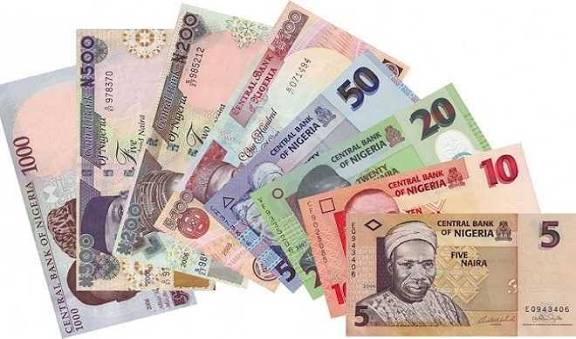
The Nigerian naira weakened further on Wednesday, March 4, 2026, as currency trading in both official and parallel foreign exchange markets reflected persistent demand pressures and liquidity stresses.
In official mid-week trading at the Nigerian Foreign Exchange Market (NFEM), the naira opened around ₦1,379 per US dollar and fluctuated within a narrow band before settling near ₦1,384/$1, signaling a mild depreciation compared with recent sessions.
Read also:Naira trades steady amid ongoing FX reforms
Market operators said the continued volatility stems from sustained demand for hard currency particularly for corporate imports and international payments even as liquidity conditions improve gradually.
The Central Bank of Nigeria’s “willing-buyer-willing-seller” model has provided some stability and helped keep trading ranges relatively tight.
In the parallel market, the naira was quoted at roughly ₦1,375 per dollar, a level that remains closely aligned with recent trading trends.
Analysts noted that the divergence between official and parallel market rates, although still modest, reflects broader dynamics in Nigeria’s foreign exchange system. While the external reserve position remains strong buoyed by increased forex inflows demand for dollars continues to outpace available supply in certain segments.
Read also:Naira will drop to N1,000/$ in Weeks – Tinubu
Despite the short-term weakness, financial experts say that robust foreign reserves and improving liquidity could anchor the naira’s performance in coming sessions. Traders are also watching for any policy updates from the apex bank or fiscal authorities that might influence the currency’s direction.
Overall, Wednesday’s trading illustrated the naira’s controlled volatility, a pattern likely to persist as market participants balance demand pressures with the Central Bank’s stabilization efforts.