By Seun Ibiyemi
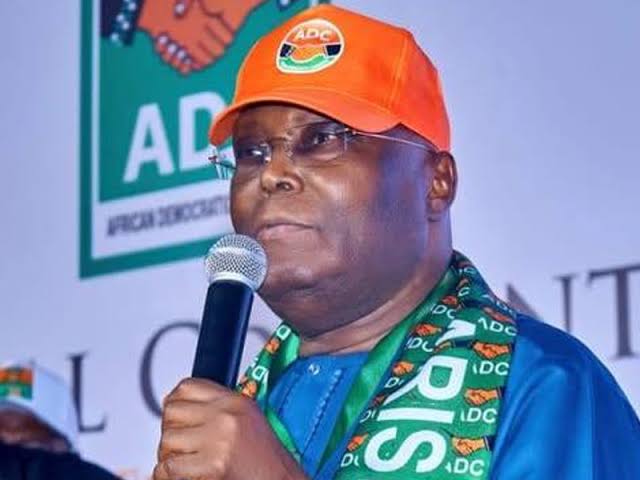
Former Vice President and presidential candidate of the African Democratic Congress (ADC), Atiku Abubakar, has criticized the security strategy of President Bola Tinubu’s administration, asserting that Nigeria’s security architecture has deteriorated under the current government.
Atiku, in a statement issued through his media aide, Phrank Shaibu, expressed concern over the growing spread of insecurity across the country, noting that violent attacks and criminal activities are no longer confined to traditional flashpoints in Northern Nigeria but have extended to other regions.
According to the former vice president, the expansion of insecurity reflects significant weaknesses in the nation’s security framework and highlights the need for urgent reforms.
He argued that criminal and terrorist groups continually adapt and refine their tactics after every operation, while government responses remain largely reactive and unchanged.
Atiku questioned why security agencies have failed to adopt a similar learning and adaptation approach, warning that the country risks remaining trapped in a recurring cycle of violence if current strategies are not reviewed.
He noted that attacks in various parts of the country, from Chibok to Oyo State and several rural communities, often follow a familiar pattern marked by tragedy, public outrage, official assurances, and investigative reports, with little meaningful change on the ground.
The former vice president called for a comprehensive overhaul of Nigeria’s counter-terrorism policy, emphasizing the need for intelligence-driven operations, enhanced border security, and stronger collaboration among security agencies.
As part of the proposed reforms, Atiku advocated the establishment of regional fusion centres to facilitate real-time intelligence sharing and improve coordination in responding to security threats.
He also stressed the importance of strengthening partnerships between security agencies and local communities, arguing that grassroots intelligence remains critical in combating terrorism and criminality.
Beyond military and security measures, Atiku identified poverty, unemployment, and poor governance as major factors contributing to recruitment into extremist and criminal groups.
He described insecurity as not only a security challenge but also a governance issue that requires socio-economic interventions to address its root causes.
The ADC presidential candidate further recommended the implementation of comprehensive support programmes for victims of violence, including psychosocial services, economic rehabilitation, and community recovery initiatives.
READ ALSO:State police constitutional amendment nears completion – FG
Expressing concern over increasing government expenditure on defence despite worsening security conditions, Atiku said the situation points to deficiencies in leadership and strategy rather than a shortage of resources.
He urged the Federal Government to embrace proactive, locally tailored security reforms capable of restoring public confidence, improving intelligence gathering, and delivering sustainable security outcomes across the country.
The comments come amid ongoing national debates over the effectiveness of Nigeria’s security architecture and growing calls for reforms to address persistent security challenges.