
By Seun Ibiyemi
The Port Management Association of West and Central Africa (PMAWCA) has called for stronger cooperation among ports in the region to reduce cargo clearance delays, lower logistics costs and improve the competitiveness of West and Central African economies.
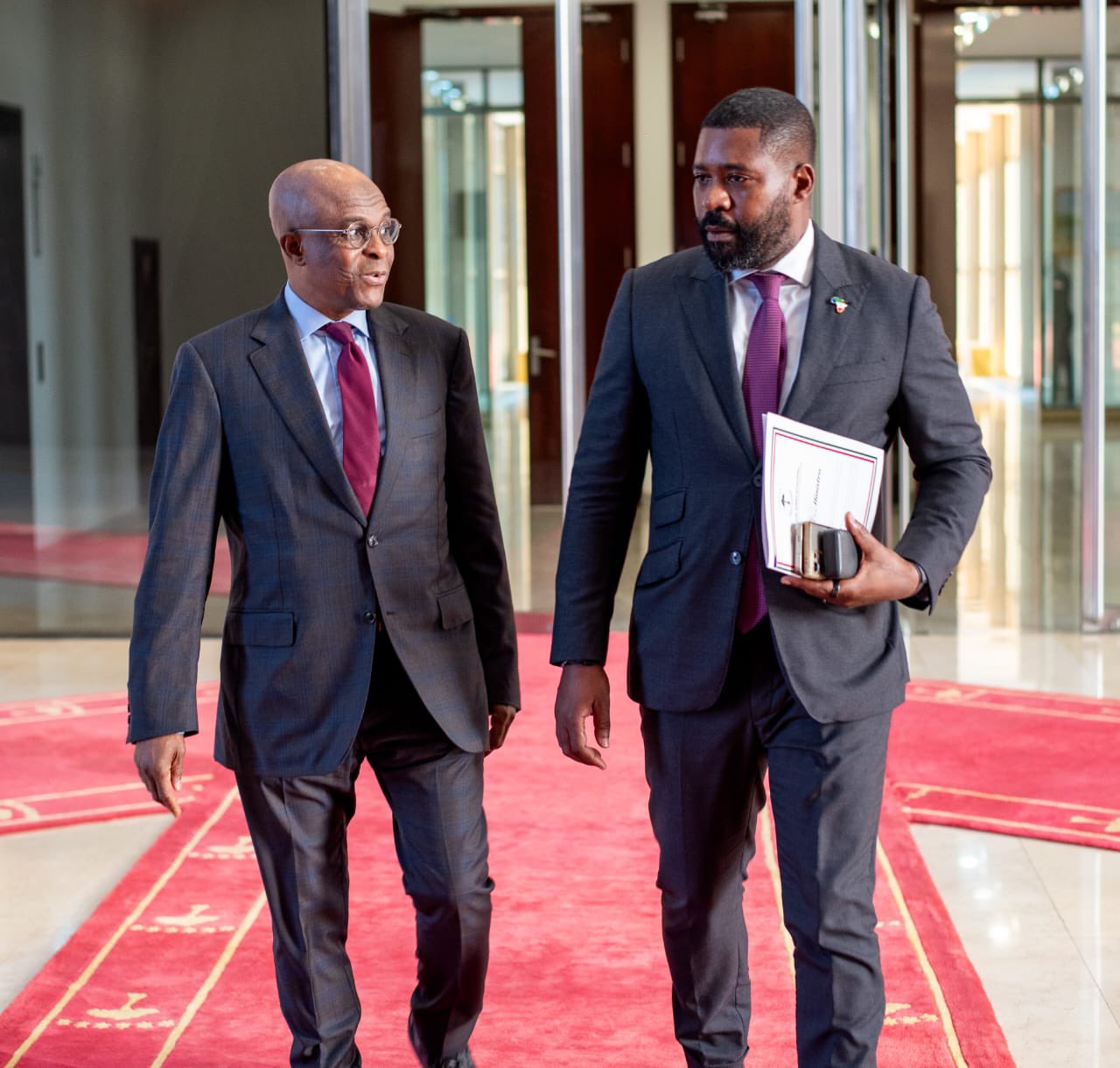
The President of PMAWCA, Dr Abubakar Dantsoho, made the call at the opening ceremony of the association’s 46th Annual Council and Joint Gulf of Guinea Commission-PMAWCA Forum in Sipopo, Malabo, Equatorial Guinea.
Dantsoho, who is also the Managing Director of the Nigerian Ports Authority (NPA), said regional ports must prioritise strategic collaboration over destructive competition to tackle common challenges confronting the maritime industry.
He said stronger cooperation would improve operational efficiency, strengthen logistics resilience and ensure that the benefits of maritime trade extend beyond coastal countries to landlocked nations that depend on efficient ports and transport corridors.
According to him, the Atlantic coastline stretching from Mauritania to Angola serves about 20 coastal countries, while five landlocked countries — Mali, Burkina Faso, Niger, Chad and the Central African Republic — rely directly on the efficiency of its ports and transport networks.
“When a single port along our coast suffers congestion, it is a household or a market in Bamako, Niamey, N’Djamena, or Bangui that bears the cost,” he said.
The PMAWCA president noted that although ports across West and Central Africa had undergone significant transformation over the past decade through the development of deep-water terminals, public-private concessions and modern port infrastructure, structural challenges continued to undermine their efficiency and competitiveness.
READ ALSO:EFCC secures conviction of man who concealed N4.4bn Gold for illegal export
He identified prolonged cargo dwell times, high port charges, expensive corridor transportation and inadequate interoperability among customs and port operations as major constraints affecting regional trade.
“Cargo dwell times remain excessively long across too many terminals, and high port and corridor transit costs continue to inflate the final price of consumer and industrial goods.
“Despite the deployment of single-window platforms, our customs and operational procedures still lack seamless interoperability, both between neighbouring ports and with hinterland administrations.
“Furthermore, our pressing requirements for dredging, infrastructure maintenance, and equipment renewal frequently outstrip our internal financing capacities,” he said.
Dantsoho warned that the challenges were becoming more pressing amid geopolitical disruptions along major international shipping routes, which had redirected maritime traffic and increased vessel calls along the West and Central African coastline.
He said the development presented strategic opportunities for regional ports but also placed additional pressure on infrastructure already operating close to capacity.
The PMAWCA president further identified climate change, rising sea levels, coastal erosion, maritime decarbonisation regulations and increasing cyber threats as emerging challenges that port authorities must address to remain competitive in the global shipping industry.
He noted that maritime decarbonisation regulations being developed at the International Maritime Organization (IMO) would reshape global shipping routes and port calls, warning that ports that failed to prepare for the energy transition risked being bypassed.
“Moreover, the maritime decarbonisation regulations currently taking shape at the International Maritime Organization will soon redraw global shipping routes and ports of call: any port that fails to prepare for this energy transition risks being bypassed altogether.
“Finally, rapid digitalisation, while indispensable, exposes our operations to sophisticated cyber threats that we can no longer afford to underestimate,” he said.