By Seun Ibiyemi
Maritime stakeholders across West and Central Africa have called for increased investment, stronger regulatory frameworks and improved infrastructure to accelerate the development of cross-border ferry services and boost regional trade.
The call was made at the inaugural West and Central Africa Ferry Conference and Exhibition 2026, held at the Civic Centre, Victoria Island, Lagos, under the theme, “Connecting Nations, Empowering Trade,” and the focus, “From Dakar to Luanda: New Trade Routes.”
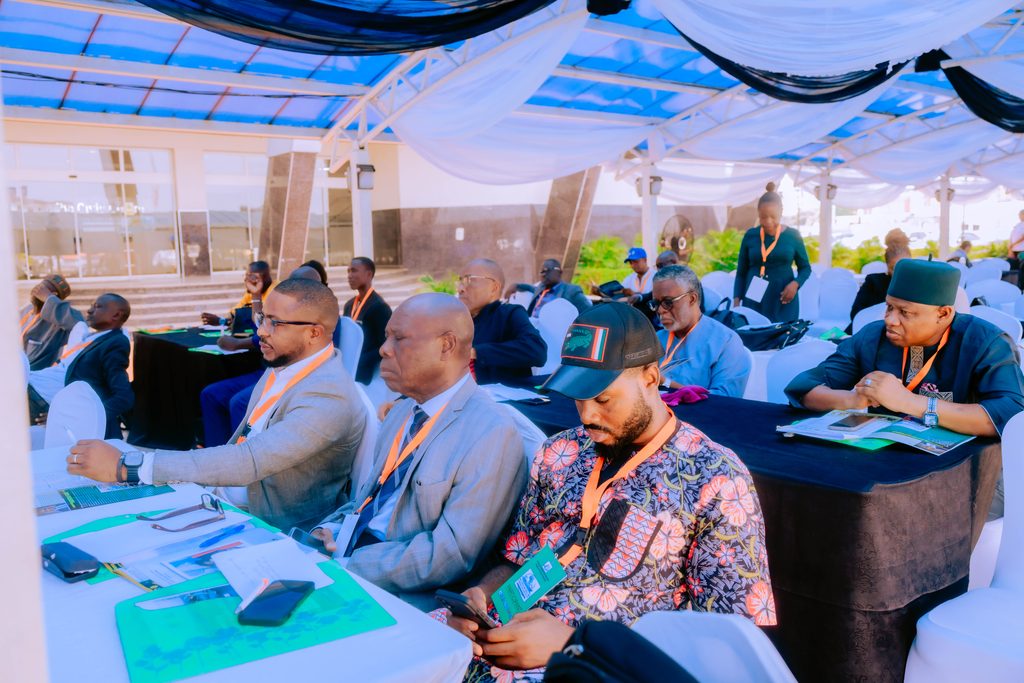
Speaking at the conference, Dr Edmund Chilaka, Visiting Research Fellow at Liverpool John Moores University and Adjunct Lecturer at the University of Lagos, said the growing demand for alternative transportation systems presented an opportunity for expanding coastal ferry operations across the region.
He cited reports that more than 500 articulated trucks queue daily at the Badagry-Seme border, describing the situation as an indication of the need for more efficient alternatives to road transportation.
According to him, coastal ferry services could provide safer, more convenient and potentially cost-effective transportation for passengers and cargo while reducing road congestion, multiple checkpoints and prolonged border delays.
Chilaka said manufacturers and traders, including Innoson Motors and Dangote Group, had expressed concerns about the difficulties of transporting goods to other West and Central African countries.
He argued that the market for coastal ferry services already existed, but the region lacked sufficient vessels to meet demand.
“The market is ready, there are cargos to be shipped, but there are no ferries,” he said, urging existing operators to expand their services.
He also called on governments and regulatory agencies, particularly the Nigerian Maritime Administration and Safety Agency (NIMASA), to establish an enabling environment that would attract investment and support emerging ferry operators.
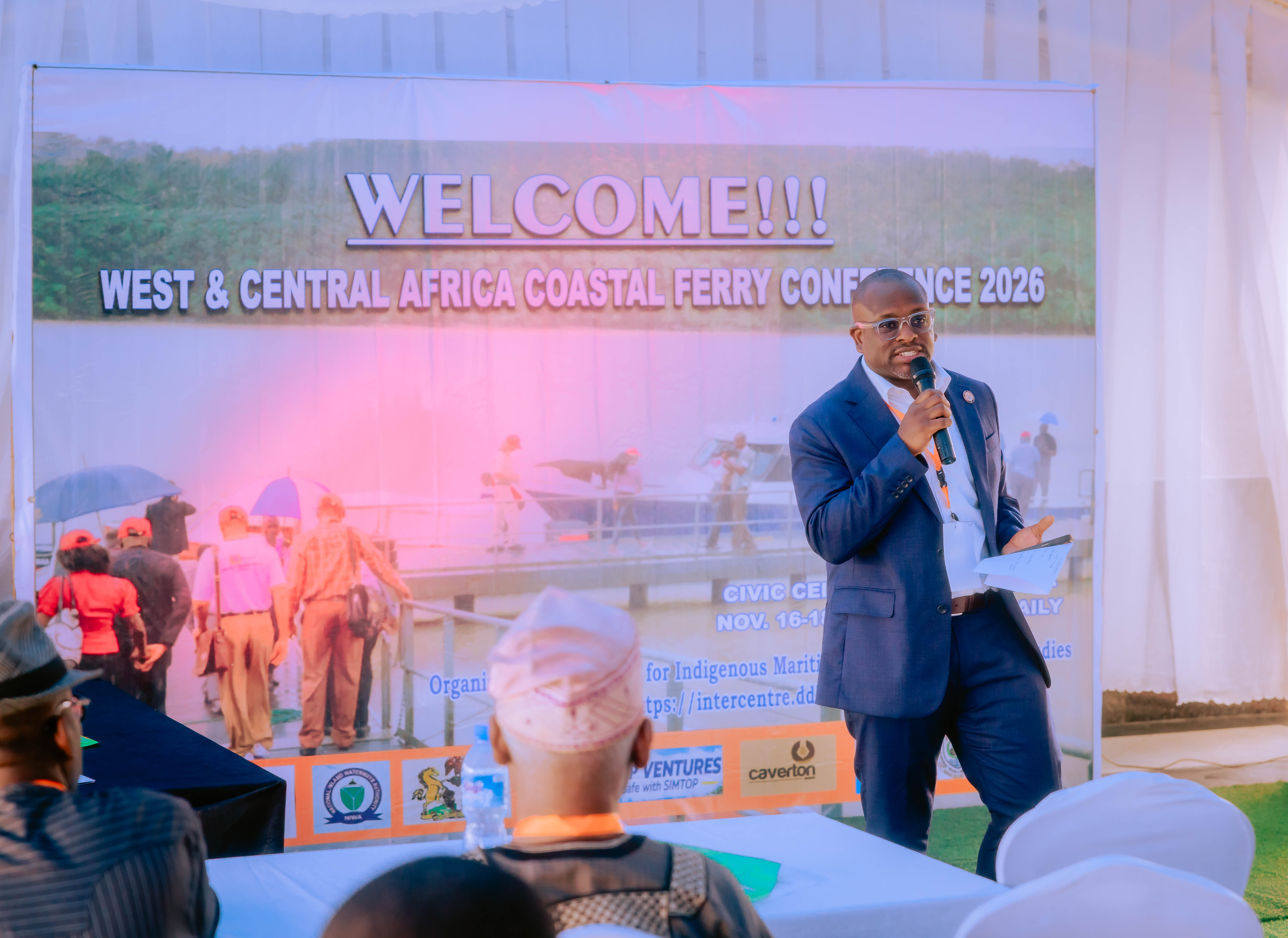
Also speaking, the Special Adviser to the Lagos State Governor on Blue Economy and General Manager of the Lagos State Waterways Authority (LASWA), Oluwadamilola Emmanuel, said the development of regional ferry operations required adequate preparation, particularly in infrastructure, security and safety.
He warned that deploying vessels without properly dredged waterways, effective security arrangements and functional supporting facilities could undermine operational safety and long-term sustainability.
Emmanuel highlighted Lagos State’s efforts to strengthen waterways safety and management through technology, infrastructure development and collaboration with other states.
He disclosed that the state had established a water-wave monitoring and data management centre, with artificial intelligence supporting its control room and predictive models for mapping proposed trips.
He also identified the introduction of West Africa’s first electric ferry and the ongoing €410 million Omi Eko Integrated Mass Transit Project as major milestones in the state’s sustainable water transportation drive.
According to him, the Omi Eko project will cover approximately 15 ferry routes spanning 140 kilometres, upgrade or construct 25 terminals and jetties, and introduce 78 electric-powered vessels.
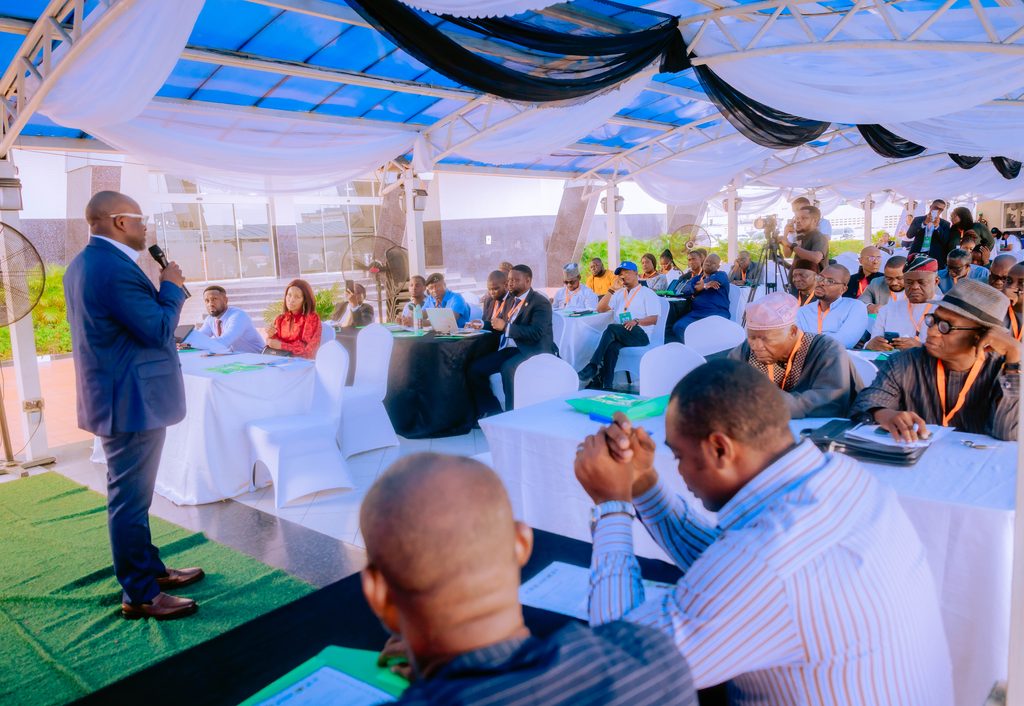
He stressed that sustainable regional maritime connectivity would require coordinated implementation involving neighbouring states and countries, noting that no single state could independently deliver the level of connectivity needed across the region.
In his remarks, the conference Chairman, Professor David Aworawo of the Department of History and Strategic Studies, University of Lagos, described coastal ferry transportation as an opportunity to accelerate economic development and facilitate the movement of people and goods across West and Central Africa.
He said road transportation continued to face congestion and high operating costs, urging countries in the region to take advantage of their coastal geography and maritime resources.
“If water transportation in this corridor is well developed, it will contribute to the development of West and Central Africa. Businesses will expand and goods will move freely,” Aworawo said.
READ ALSO:Atiku slams Tinubu over Plateau killings
He explained that the conference was organised to bring together maritime practitioners, academics, policymakers and other stakeholders to exchange knowledge, examine industry challenges and develop practical solutions for sustainable coastal ferry operations.
He also emphasised the need to understand route economics, the business environment and operational requirements to ensure that ferry services remained commercially viable.
Delivering the keynote address, Capt. Ade Olopoenia identified persistent congestion at motor parks across West Africa as evidence of growing demand for regional mobility.
He said travellers and small-scale traders continued to face poor road conditions, extortion and prolonged border delays because of the limited availability of safe and reliable maritime alternatives.
The conference also highlighted the opportunities presented by the African Continental Free Trade Area (AfCFTA), which provides access to a market of approximately 1.3 billion people.
Participants noted that reliable ferry connections along the Dakar-Luanda coastal corridor could strengthen regional trade, improve logistics, facilitate cross-border commerce and provide manufacturers, traders and passengers with alternatives to road transportation.
The discussions ended with calls for sustained collaboration among governments, maritime regulators, private investors and industry operators to address infrastructure gaps, improve regulatory coordination and translate the opportunities identified at the conference into viable and sustainable cross-border ferry services.
Stakeholders maintained that developing the regional ferry network would not only improve mobility but also support trade integration and economic growth across West and Central Africa.