
By Seun Ibiyemi
The Federal Government will on November 25 begin the comprehensive modernisation and upgrade of the Lagos Port Complex, Apapa, and the Tin-Can Island Port Complex, in a major intervention aimed at revitalising Nigeria’s maritime infrastructure and strengthening the country’s position in international trade.
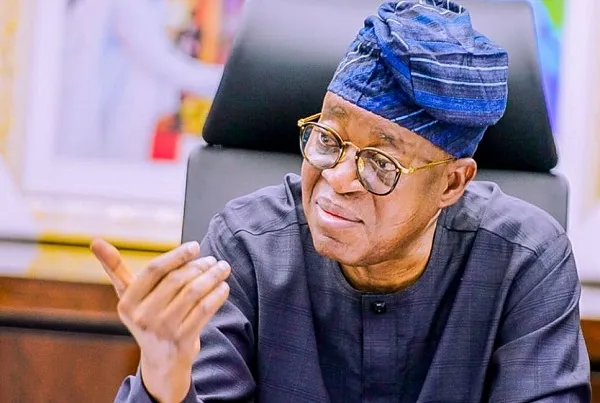
The Minister of Marine and Blue Economy, Dr Adegboyega Oyetola, is expected to perform the groundbreaking ceremony and official turning of the soil for the projects.
According to a statement issued on Monday by the Minister’s Special Adviser, Dr Bolaji Akinola, the two ports jointly handle more than 70 per cent of Nigeria’s non-oil export cargo, making their rehabilitation critical to the country’s trade and economic development.
Akinola said the modernisation programme represents the first major comprehensive upgrade of its scale at the facilities in about 50 years.
He described the initiative as a historic intervention designed to address decades of infrastructure deficits, ageing facilities, operational constraints and increasing demands on Nigeria’s busiest port corridors.
The project is expected to improve cargo-handling capacity, reduce vessel turnaround time and cargo dwell time, enhance port access and logistics, strengthen safety and security, and create a more efficient operating environment for port users, investors and other maritime stakeholders.
The Minister said the Lagos projects form part of a broader Federal Government strategy to establish a balanced and globally competitive national port system.
According to him, the government has also approved the modernisation and upgrade of four other major seaports outside Lagos: Warri, Onne, Calabar and Rivers ports.
“Our objective is to build a modern, efficient and interconnected port system that serves every region of the country.
While Apapa and Tin-Can Island remain critical to Nigeria’s international trade, we cannot afford to concentrate the nation’s maritime activities around Lagos alone.
“The modernisation of Warri, Onne, Calabar and Rivers ports will complement the Lagos project, expand our national cargo-handling capacity and promote balanced economic development,” Oyetola said.
READ ALSO:Denmark eyes jobs for Nigerian cadets on Danish vessels, partners NIMASA on blue economy
He noted that modern port infrastructure was essential to the Federal Government’s economic diversification agenda, particularly efforts to increase non-oil exports, strengthen local industries, improve the ease of doing business and attract maritime investment.
The modernisation programme is also expected to improve connectivity between seaports, road and rail networks, inland waterways and dry ports, creating a more efficient multimodal transportation system.
The integrated approach is intended to facilitate cargo movement from production centres to domestic and international markets, reduce transportation costs and improve the competitiveness of Nigerian goods.
The Federal Government said the port upgrades would help reposition Nigeria as a major maritime and commercial hub in West and Central Africa, while expanding the country’s capacity to respond to changing global shipping and trade demands.